Sumatra on a Budget 2026
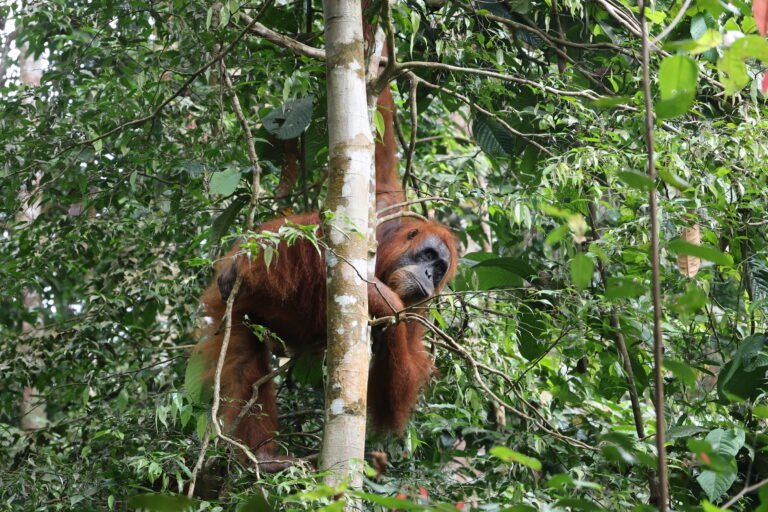
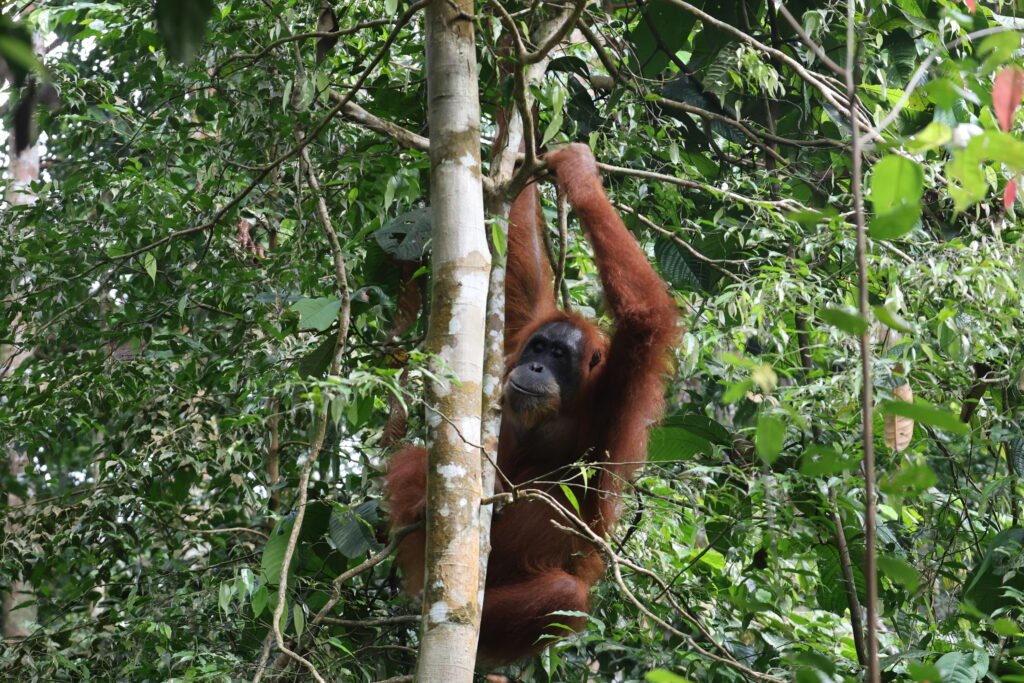
Planning a trip to Sumatra on a budget is incredibly rewarding. From tracking wild orangutans through the ancient canopies of the Gunung Leuser National Park to chilling by the peaceful volcanic shores of Lake Toba, you can have an epic, raw adventure on a fraction of what you’d spend in Bali.
But backpacker-friendly travel here requires a little bit of strategy. In this ultimate guide, we’re breaking down the exact transport secrets, accommodation hacks, and ethical activity choices that will keep your wallet full and your adventure wild.
Mastering Affordable Transport & Overland Routes
Getting around North Sumatra can be your biggest expense if you rely strictly on private cars, but it can also be incredibly cheap if you navigate local transit.
The Ultra-Budget Route: Public Buses
If you have time to spare and don’t mind a rugged journey, public transport is your friend:
- Medan Airport to Binjai: Grab an ALS local bus for roughly 60K IDR.
- Binjai to Bukit Lawang: Switch over to a local orange public bus for about 30K IDR.
The Sweet Spot: Shared Tourist Buses
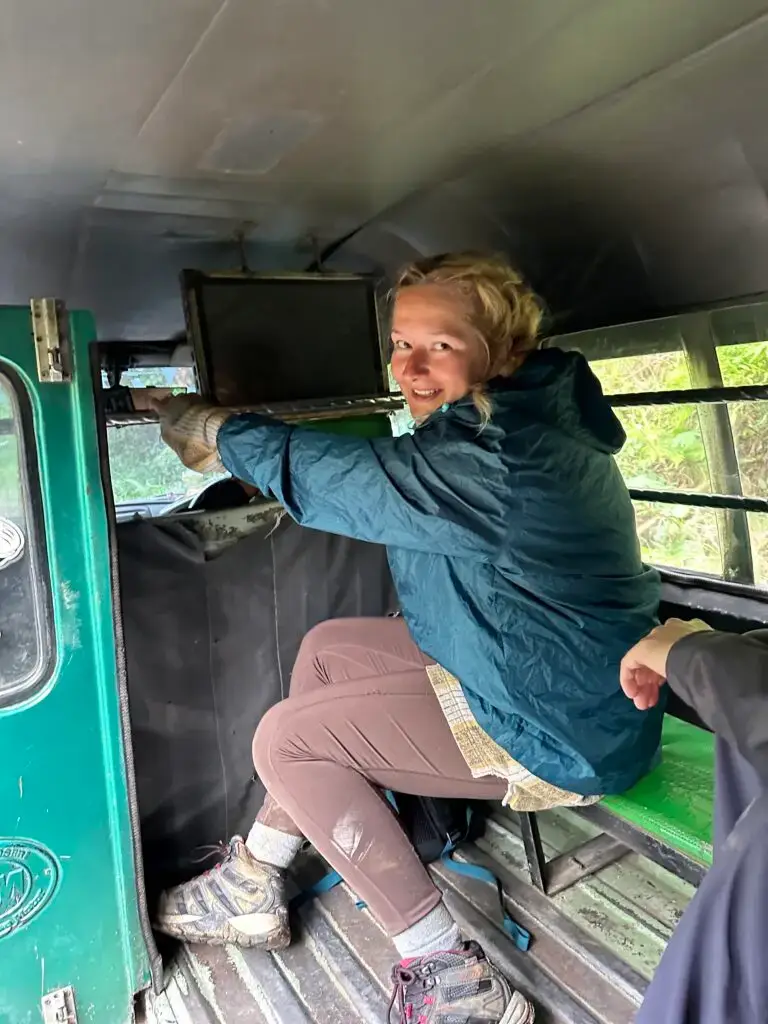
For a massive upgrade in comfort without a high price tag, use local shared tourist minibuses:
- Medan to Bukit Lawang: Around 210K IDR per seat.
- Bukit Lawang to Berastagi: Around 230K IDR per seat.
- Bukit Lawang to Lake Toba: Around 270K IDR per seat.
Staying in Authentic Eco-Lodges & Guesthouses
Sumatra is famous for its highly affordable, family-run guesthouses. Skipping international hotel chains doesn’t mean sacrificing quality; it means unlocking incredible riverside views and deep jungle ambiance.
- Bukit Lawang: Look for local riverside bungalows like Wisma Batu Mandi or Garden Inn. Clean, authentic budget rooms with cold showers and balconies overlooking the river sit right around 300K to 800K IDR per room (and often include breakfast).
- Lake Toba (Samosir Island): You can secure gorgeous rooms built directly over the volcanic caldera water starting at 350K to 1 million IDR per room.
Choosing these spots keeps your money directly in the local village economy while scoring you premium jungle views.
Scoring Budget Activities Without Cheating the Jungle
The main highlight of any trip to Sumatra is entering the rainforest, but this is the one area where you should never look for a “cheap deal.”
The Trap of Cheap Jungle Treks
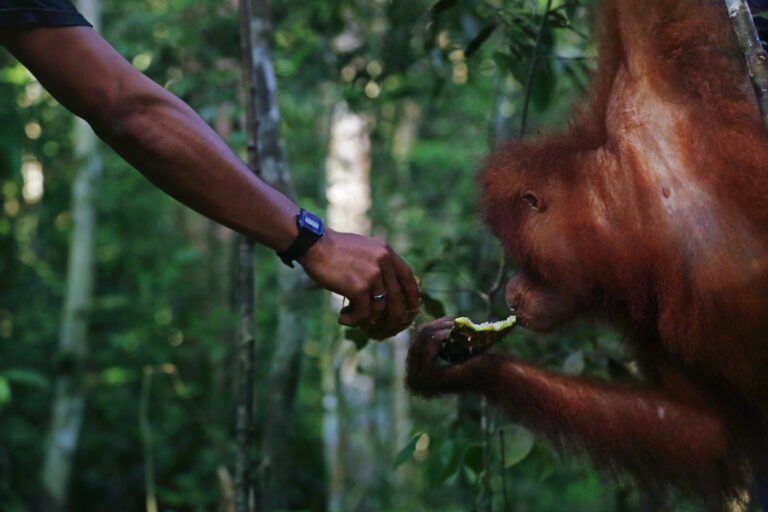
Many uncertified guides try to undercut standard pricing by taking huge crowds into the park, leaving trash behind, and illegally feeding wildlife to guarantee photos. This puts both the critically endangered orangutans and local ecosystems at severe risk.
The Fair-Trade Alternative
Always ensure your guides strictly follow official local HPI Pricing Rules. True ethical trekking supports certified local rangers, tracks wildlife responsibly with strict zero-feeding and boundary rules, and funds community initiatives. A premium 1-day trek or an immersive 2D1N overnight camp is worth every cent.
If you want a fully planned, seamless route that captures all these iconic spots without any public transport hassle, take a look at our private 7D6N Sumatra Classic Loop which includes the popular 2-day overnight trek.
Eating Local and Keeping Costs Low
Food is incredibly cheap in Sumatra if you skip the westernized tourist cafes and head straight to traditional spots. Eating local is the easiest way to experience Sumatra on a budget.
- Nasi Goreng & Mie Goreng: A classic plate of local fried rice or noodles at a roadside Warung will cost you between 20K and 35K IDR.
- Traditional Curries: Rich, authentic dishes like local vegetable curries or fresh lake fish are highly affordable and packed with flavor.
- Fresh Fruit: Head to the vibrant traditional fruit markets in the Berastagi highlands to stock up on cheap, fresh passionfruit, mangos, and local bananas for pennies.
Smart Packing Saves Money
If you pack wisely, you won’t need to buy expensive gear or clothes in Sumatra. Here’s what worked for me:
- Long pants, long socks, and quick-dry T-shirts for trekking (leeches love ankles!)
- Extra shirts and leggings for multi-day treks—trust me, one T-shirt does not survive a jungle hike
- Poncho or light rain jacket (humidity + rain = soaked backpack otherwise)
- Hiking boots or lightweight shoes (running shoes work in dry season, just not in mud)
- Two large water bottles, sunscreen, mosquito repellent
- Optional: Kindle or book to survive mosquito-infested evenings
💡Pro tip: Packing right = fewer “emergency purchases” that blow your budget.
Keep Your Wallet Safe
- Negotiate: Local markets and transport expect bargaining. Be polite but firm.
- ATM Planning: ATMs are scarce in remote villages. Withdraw enough in cities to avoid high fees.
- Avoid Tourist Traps: Some guided tours or restaurants advertise “once-in-a-lifetime” experiences but charge triple. Always ask locals for advice.
My Personal Budget Travel Lessons in Sumatra
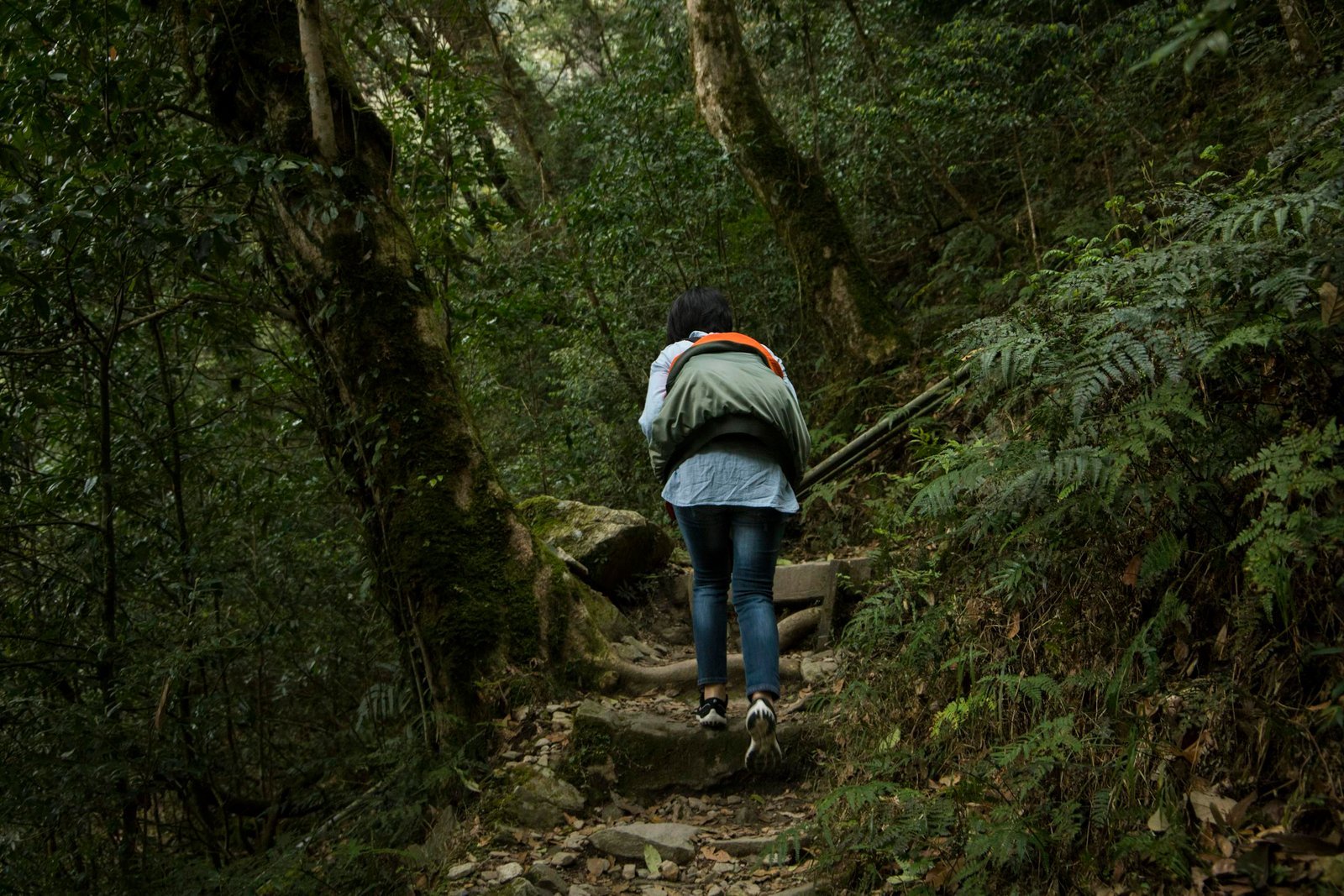
- I thought jungle trekking would be a gentle stroll. It was not. 5 km uphill, then more hills… I sweated, huffed, and cursed like a pro. But ethical local guides made it affordable and worth every drop of sweat.
- Eating local food isn’t just cheap—it’s way better than overpriced tourist meals. Bonus: your stomach learns the real taste of Sumatra.
- Carry enough water. I underestimated humidity and ended up chugging two liters in the middle of the jungle like a dehydrated camel. Lesson learned.
Bottom Line
Traveling in Sumatra on a budget is totally doable. Guesthouses, warungs, shared transfers, and smart trekking choices mean you can explore the jungle, spot orangutans, hike waterfalls, and still have money left over for coffee or souvenirs. And honestly, the sweat, leeches, and uphill hills? Part of the adventure.
Want the Ultimate Loop with Zero Transit Guesswork?
If you want a fully planned, seamless route that captures all these iconic spots without any of the exhausting public transport delays, take a look at our private 7D6N Sumatra Classic Loop.
By sharing a private SUV driver with a partner or small group, you split the overland costs evenly—getting premium AC private transport, local hotel stays, a signature 2-day overnight jungle trek, and a Mount Sibayak volcano climb all bundled into one seamless, fair-trade package.