Spotting Sumatran Orangutans in Gunung Leuser: The Ultimate Guide
Best times, locations, and what to expect
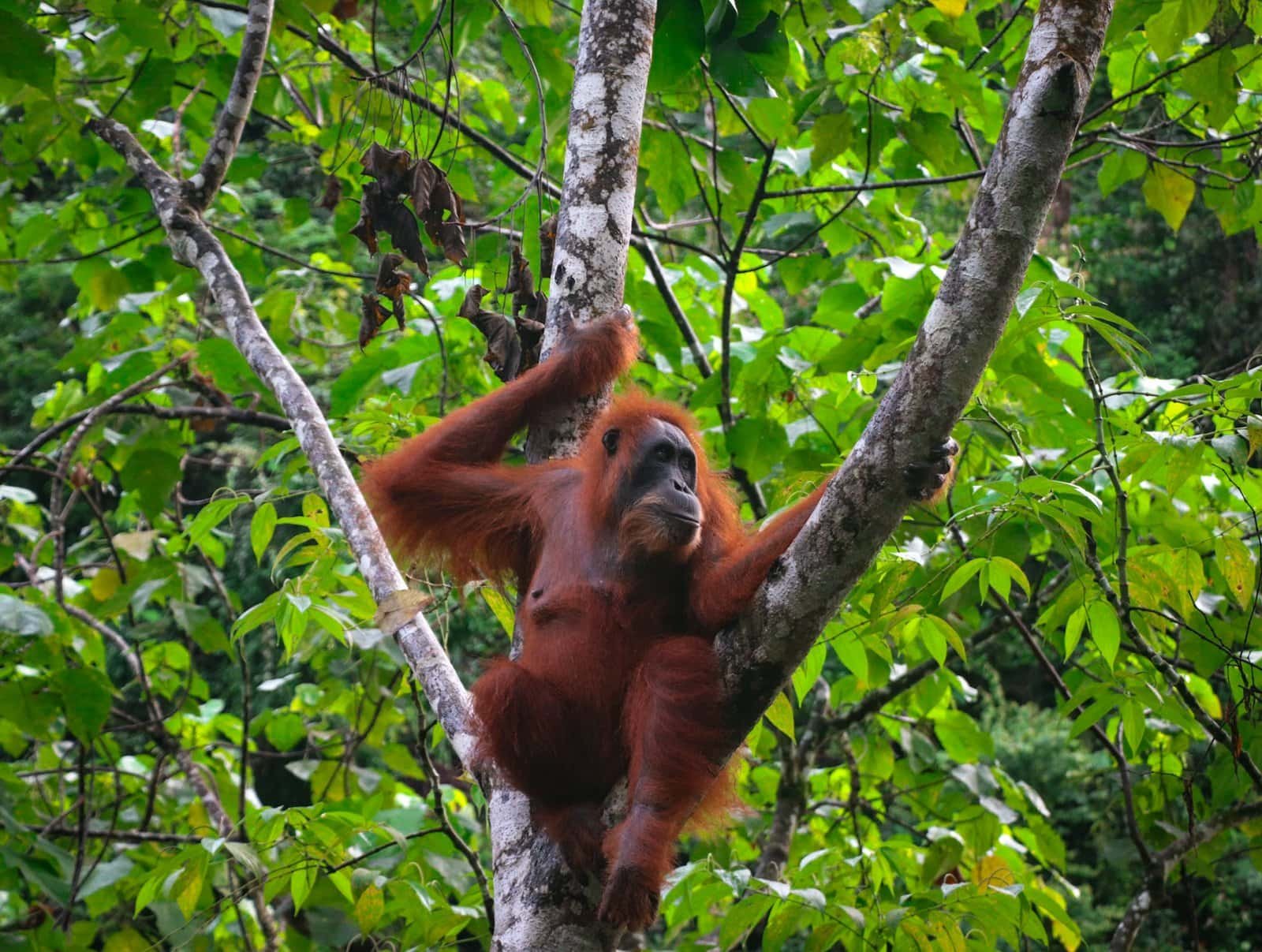
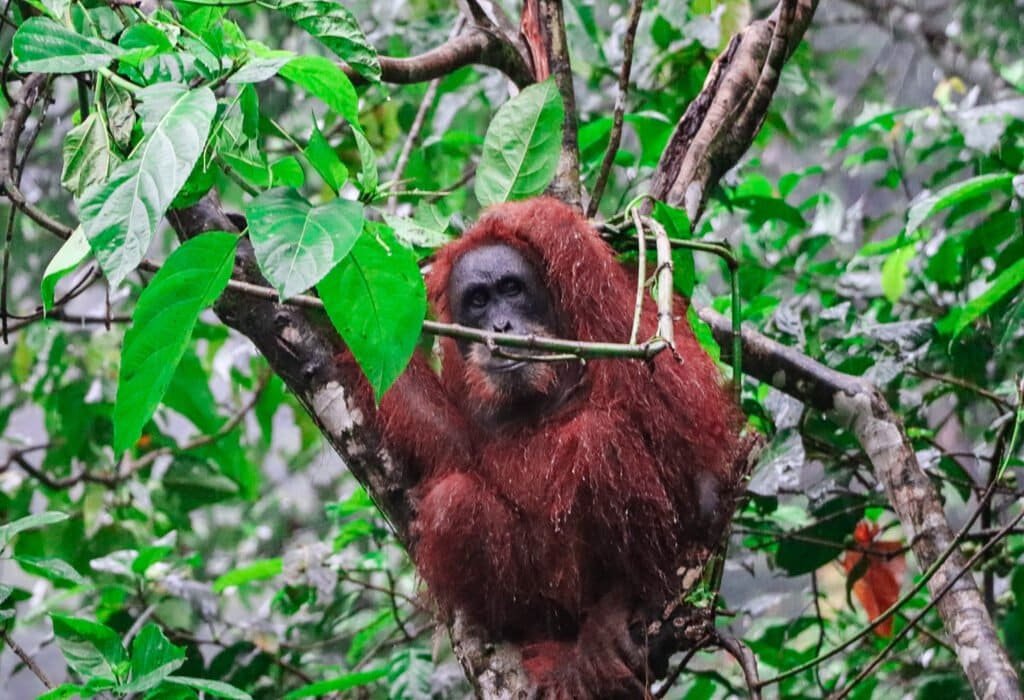
Spotting Sumatran orangutans is not that easy these days. Let’s be honest: nothing prepares you for the first time you spot a wild orangutan in the jungle. One minute you’re sweating through your shirt, wondering why you signed up for this trek, and the next you look up and there’s a big orange face staring back at you from the trees. It’s equal parts magical and slightly awkward, like running into a distant cousin you never knew you had.
Meet the Sumatran Orangutan
The Sumatran orangutan (Pongo abelii) is found only in northern Sumatra. Yep, nowhere else on Earth. They’re smaller and more tree-loving than the Bornean version, with bright orange hair and, if you meet a male, an impressive beard that would make a hipster jealous. Sadly, they’re critically endangered, which makes every single sighting feel like winning the wildlife lottery.
Best Times to Spot Them
- Morning Orangutan Coffee Run (6:00–9:00 AM)
- Orangutans are early risers. Right after sunrise, they leave their night nests and head out for breakfast—usually fruits like figs, durians, or jackfruit. They’re the ultimate tree-dwellers, spending almost their entire lives in the canopy. In fact, orangutans share about 97% of their DNA with humans, which means watching them eat their morning meal feels strangely familiar (minus the coffee cup). For trekkers, this is also the best time of day because the jungle is still cool and not yet a sweaty sauna.
- Late Afternoon Chill (3:00–5:00 PM)
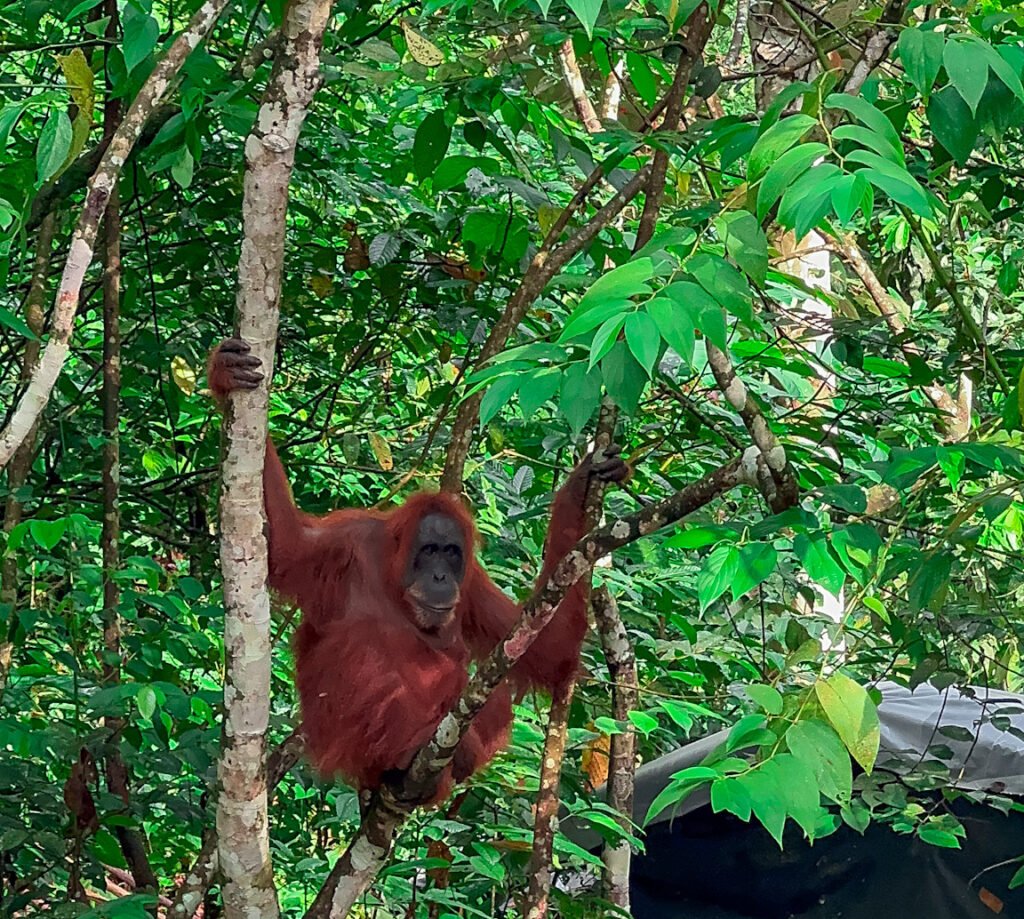
- By late afternoon, orangutans slow down, often building more than one nest throughout the day to nap, snack, or just rest between meals. Toward evening, they carefully construct a new, larger nest high in the trees to sleep in overnight. This is also when you’ll catch them munching leaves, insects, or fruit.
- Which Season is Best?
- The dry season (June–September) is the most comfortable for trekking – clearer trails, fewer leeches, and better visibility. That said, orangutans are around all year. During fruiting season, they gather in greater numbers at fruit trees, so your chances of a sighting go way up. Fun fact: guides often listen for falling fruit to track them in the forest.
- Important Note for Visitors: Because orangutans are so closely related to us, they can actually catch our illnesses. A simple flu or cold could be deadly for them. That’s why responsible trekking operators will remind you not to enter the forest if you’re sick. It’s not just about protecting them from poachers or deforestation, but it’s also about keeping them safe from us
Orangutan Facts You Should Know Before Trekking
- Almost Human: Orangutans share about 97% of our DNA. That’s why their gestures, expressions, and even their laziness on a hot day feel so familiar.
- Master Builders: They don’t just make one nest, but they build several throughout the day for naps and then a fresh, sturdy one for sleeping at night. Think of it as extreme treehouse living.
- Super Moms: Baby orangutans stay with their mothers for up to 8–9 years, learning how to climb, eat, and build nests. It’s one of the longest childhoods in the animal kingdom.
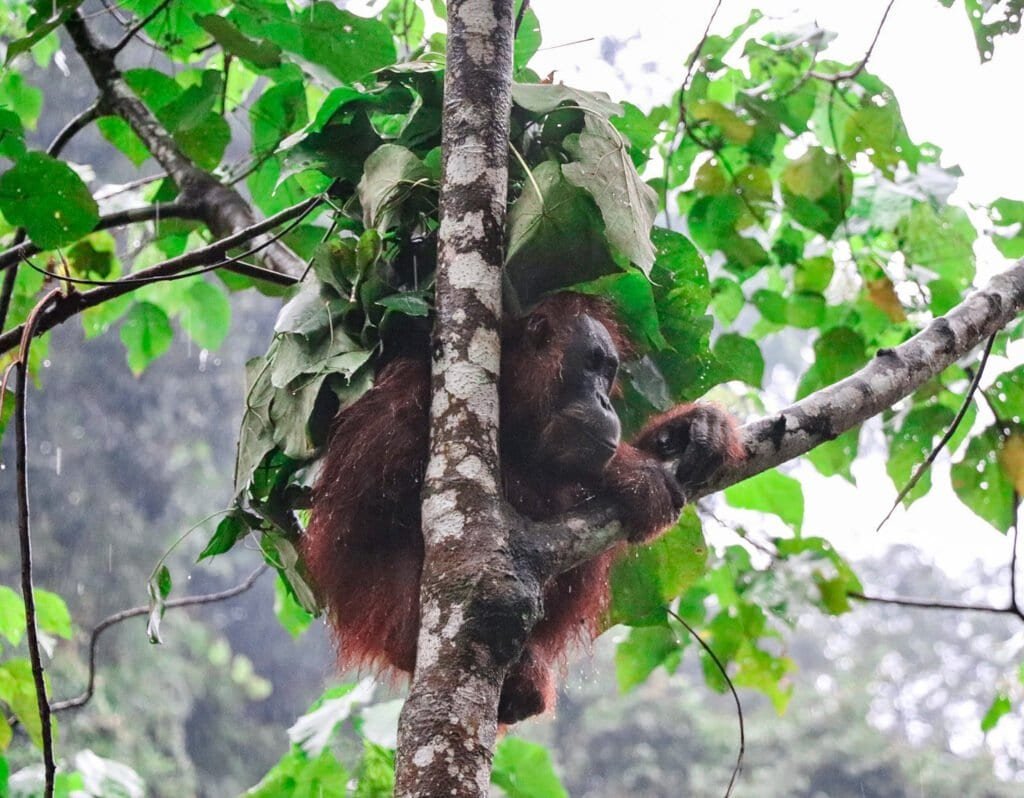
- Jungle Umbrellas: Orangutans have been seen using big leaves as umbrellas or even napkins.
- Big Males = Big Cheeks: Adult males grow large cheek pads (called flanges) that make them look impressive and also help them call out across the forest.
- Health Warning: Because they’re so close to us genetically, they can catch our diseases. A simple cold could kill them. This is why you should never trek if you’re sick—protecting them is more important than getting a picture.
- Long Lives: In the wild, orangutans can live around 50 years.
Where to Look: Prime Locations in Gunung Leuser
Bukit Lawang – The Famous Gateway
Bukit Lawang is the most popular entry point for travelers seeking orangutans. Once home to a rehabilitation center, many semi-wild orangutans still roam this area. While it’s more touristy compared to other regions, it’s also the most accessible, with plenty of guesthouses, trekking guides, and community-based tours available.
- Best for: First-time visitors, families, and travelers who want a structured experience.
- What to expect: Semi-wild orangutans, bustling jungle treks, a lively backpacker scene, and easy access from Medan.
Batu Katak – Wild and Untouched
For those who want to step away from the crowds, Batu Katak is a hidden gem. The orangutans here are fully wild, living deep in the rainforest. This area is less developed for tourism, meaning you’ll get a more authentic and raw jungle experience.
- Best for: Adventurous travelers and wildlife enthusiasts who value authenticity.
- What to expect: Wild orangutans, peaceful rivers, caves, and the chance to trek in near solitude.
Tangkahan – The Elephant’s Home
Tangkahan is more famous for its Sumatran elephants and eco-tourism projects, but the surrounding forests are also home to orangutans. Though sightings are less common compared to Bukit Lawang or Batu Katak, it offers a unique mix of wildlife encounters.
- Best for: Travelers who want to combine orangutan spotting with elephant bathing and eco-volunteering.
- What to expect: A quieter atmosphere, community-based tourism, river tubing, and occasional orangutan sightings.
Ketambe – The Wild Heart of Leuser
Ketambe, in Aceh province, is often called the “true jungle” of Gunung Leuser. It’s remote, less visited, and home to one of the largest populations of wild orangutans. Many researchers choose Ketambe for long-term studies, thanks to its pristine ecosystem.
- Best for: Serious adventurers and nature lovers who want to see orangutans deep in the wild.
- What to expect: Multi-day treks, high chances of spotting orangutans, and fewer tourists compared to Bukit Lawang.
Other Notable Spots
- Suaq Balimbing (South Aceh): A research area with one of the highest orangutan densities in the world. It’s not open to casual tourism, but worth knowing about for its conservation importance.
- Jantho (Aceh Besar): A reintroduction site where rescued orangutans are released into the wild. Visits are limited, but some eco-tours may arrange access.
What to Expect During Your Orangutan Encounter in Gunung Leuser
Spotting an orangutan in the wild is one of the most unforgettable experiences you can have in Sumatra. Gunung Leuser National Park is one of the last places on Earth where these critically endangered great apes still roam free, and every encounter feels like stepping into another world.
But what exactly can you expect when you finally come face-to-face with these gentle forest giants?
Behavioral Observations
One of the most magical parts of trekking in Gunung Leuser is witnessing orangutans living completely wild lives. You may see them:
- Building nests high in the trees from leaves and branches.
- Foraging for food, skillfully peeling fruit or stripping bark.
- Caring for young – mothers with babies are especially heartwarming, showing extraordinary patience, gentleness, and intelligence.
These moments remind you that orangutans are not just animals, but highly intelligent beings with deep emotional lives.
Individual Personalities
Just like humans, every orangutan is different. Some are playful and curious, edging closer to observe you. Others remain shy, quietly watching from the canopy. Dominant flanged males – with their broad cheek pads and impressive size – may appear intimidating, but they usually keep their distance, avoiding unnecessary human contact.
Every encounter feels unique because you’re meeting an individual, not just a species.
Natural Interactions
If you’re lucky, you may get to witness orangutans interacting with each other. This could be:
- Gentle play between young orangutans.
- Territorial displays from males.
- Feeding behaviors that show off their incredible problem-solving skills.
These interactions offer a rare glimpse into the social complexity of orangutans, reminding us just how intelligent and adaptable they are.
Photography & Documentation Tips
Capturing the moment is tempting, but responsible photography is key to protecting the animals:
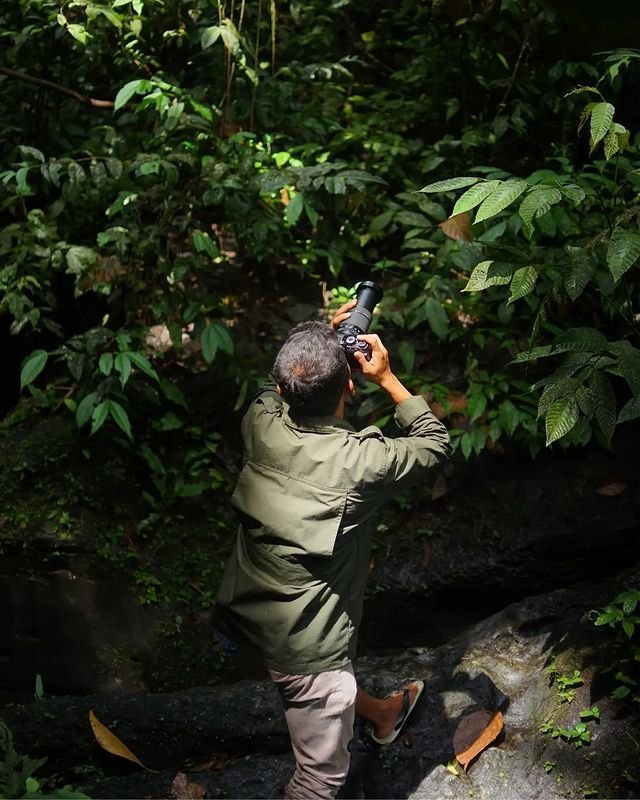
- Bring a telephoto lens to maintain distance while still getting detailed shots.
- Never use flash, as it can stress the orangutans.
- Focus on natural behaviors rather than forcing interactions.
- Include the environment in your shots – the rainforest setting tells a more powerful story than just close-ups.
Beyond Orangutans: Other Wildlife in Gunung Leuser
While orangutans are the stars, the jungle here is buzzing with life. Keep your eyes and ears open for:
- Thomas leaf monkeys with their funky silver-grey “punk” hair.
- Gibbons, whose haunting morning calls echo through the forest.
- Hornbills, massive birds with colorful beaks and loud wingbeats.
- Sun bears, rare and elusive, but an unforgettable sight if you’re lucky.
Every trek in Gunung Leuser is a chance to discover more of its rich biodiversity.
Conservation Connection
Every orangutan you see is part of a larger conservation success story. These encounters are only possible because of ongoing efforts to protect the rainforest, restore lost habitat, and promote sustainable tourism.
By visiting Gunung Leuser, you’re not just ticking an experience off your bucket list – you’re supporting local communities and helping ensure that orangutans continue to thrive in the wild for generations to come.
Final Thought
Remember, the goal isn’t just to see orangutans – it’s to witness them thriving in their natural habitat, living freely as they were meant to. That’s what makes every sighting so powerful, so moving, and so important.
Ready to head into the rainforest? Check out our ethical Jungle Orangutan Trekking in Sumatra Tours to find your perfect multi-day expedition.