Ethical Orangutan Trekking in Sumatra: Your 2027 Guide
Key Takeaways
- Choosing a responsible operator for ethical orangutan trekking in Sumatra goes beyond price; it involves respecting wildlife and local communities.
- Look for guides with official certification and adhere to strict wildlife interaction policies to ensure an ethical experience.
- Avoid operators with significantly lower prices as they may cut corners, offering unfair wages and bypassing important regulations.
- Report unethical behavior by documenting evidence and notifying authorities to help protect wildlife.
- Ethical trekking fosters conservation and supports local economies, making your choices impactful for the critically endangered Sumatran orangutan.
Table of contents
Planning an orangutan trek in Sumatra in 2027? If you’re wondering how to choose ethical orangutan trekking in Sumatra, choosing a responsible trekking operator is about more than finding the lowest price or the best chance of seeing wildlife. Instead, it means choosing guides who respect wild orangutans and follow local conservation rules. They should also treat the rainforest carefully and value the communities who call this region home.
At Escape to Sumatra, we organise locally guided jungle experiences in Bukit Lawang and Batu Katak. These are two destinations in North Sumatra with different trekking experiences. Bukit Lawang is a popular starting point for exploring orangutan habitat, while Batu Katak offers a quieter rainforest setting. No responsible operator can guarantee an orangutan sighting. However, a good guide can help you explore respectfully and understand the forest around you.
Before booking any trek, ask how the guides behave around wildlife and what the price includes. You should also ask how local staff are paid, and what happens if animals are not spotted. This guide explains what to look for when choosing an ethical orangutan trekking experience in Sumatra.
How to Choose Ethical Orangutan Trekking in Sumatra
When choosing ethical orangutan trekking in Sumatra, look beyond the price. Furthermore, ask how guides protect wildlife and respect the rainforest.
In addition, compare what each trek includes, from guide services and meals to overnight camping arrangements and local support.
In Sumatra, an ethical guide is more than a pathfinder; they are a guardian of the forest. Here are the non-negotiable “Green Flags” you must look for in destinations like Batu Katak, Bukit Lawang, or Ketambe:
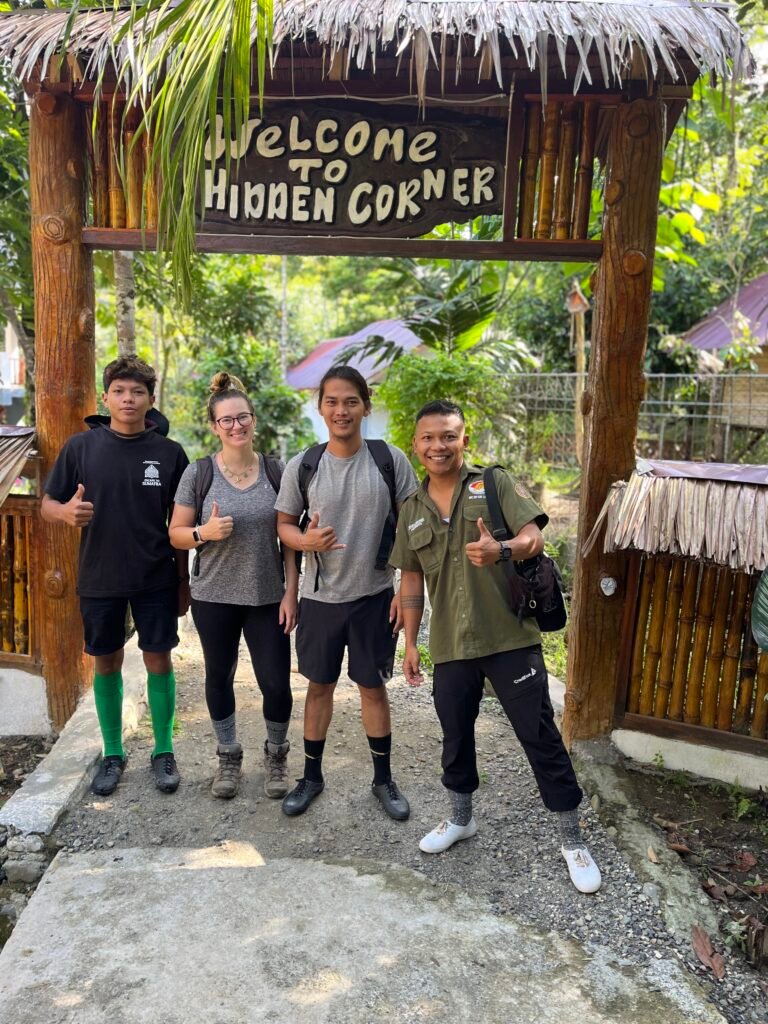
- Official Certification: Professional guides should be registered with the Indonesia Tourist Guide Association (HPI). Ask to see their HPI license card—a small card similar to a driver’s license—either in person or via screenshot before booking.
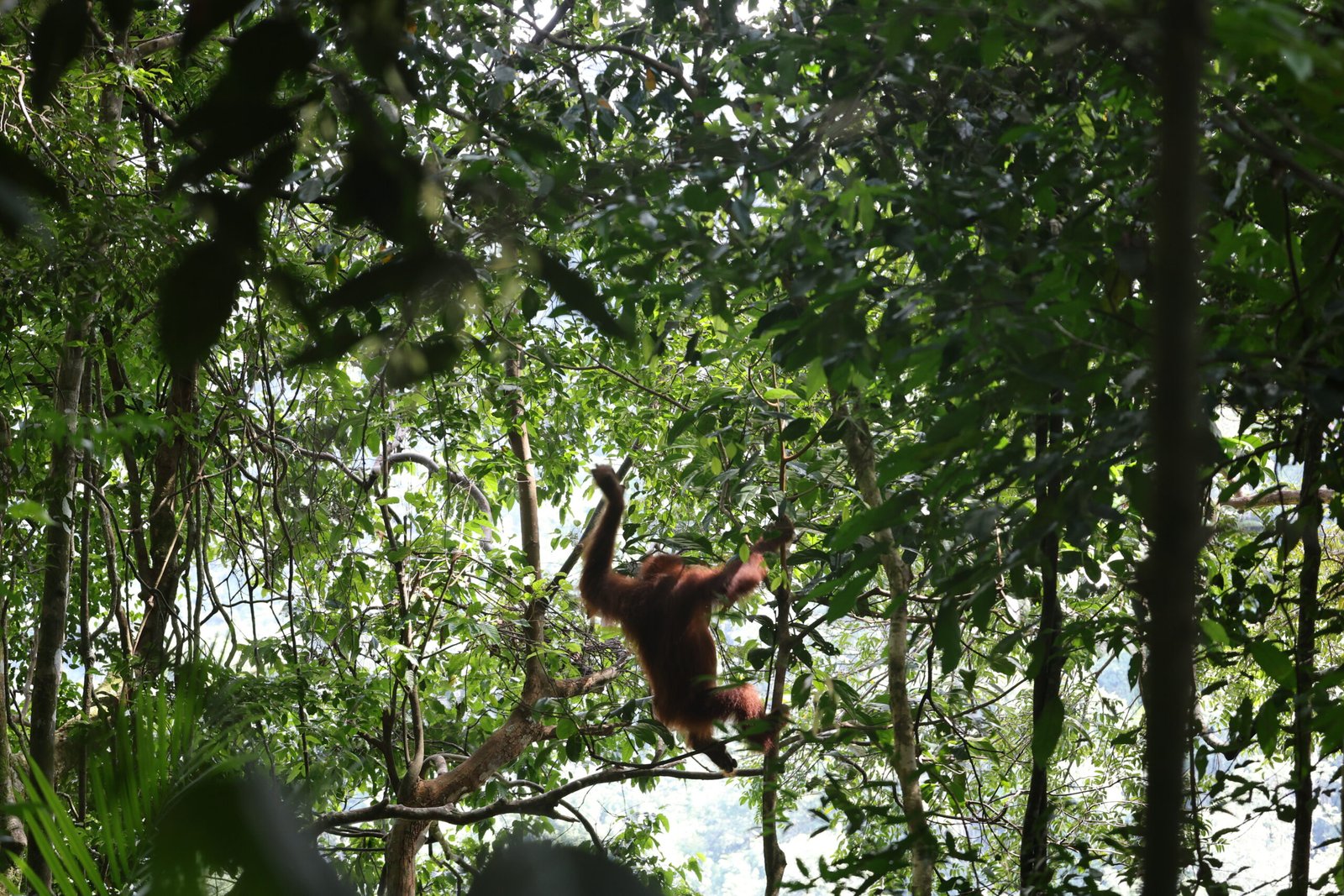
- The 10-Meter Rule: Responsible guides maintain a distance of at least 10 meters from all wildlife at all times.
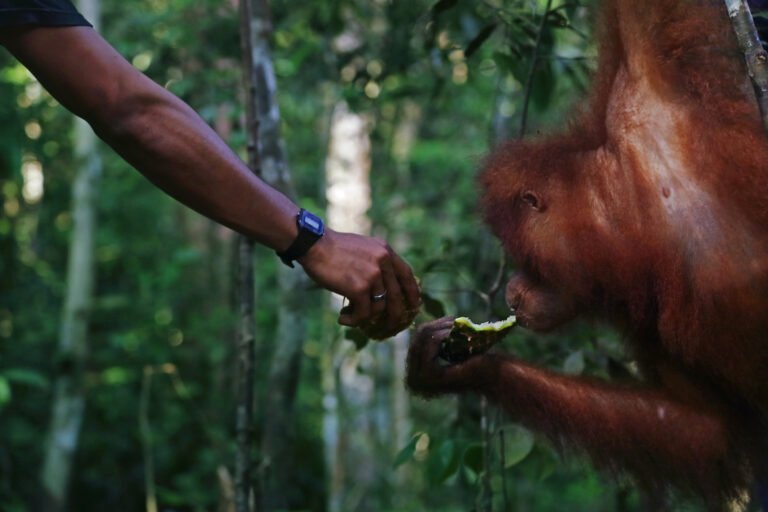
- Zero Interaction Policy: They never feed, touch, or call out to animals to lure them closer.
- Strict Hygiene Standards: Ethical guides do not allow sick travelers to trek, as humans can transmit deadly diseases to orangutans. If a guest is unwell, they must wear a mask and double their distance to 20 meters.
- Small Group Sizes: To minimize environmental impact and animal stress, group sizes should be kept to a maximum of 6 people.

Part 2: Why “Cheap” ethical orangutan trekking is a Major Red Flag
Prices for jungle trekking in Sumatra are officially regulated by the ITGA-HPI Indonesia Guide Association. These set rates ensure fair competition and protect the ecosystem.
The Hidden Cost of Low Prices:
If a company offers a price significantly lower than the official association rates, it likely means they are cutting dangerous corners:
- Unfair Wages: Cheap treks often mean guides and porters are not receiving a fair living salary. Instead, this may force them to rely on unethical “tricks” to please tourists for tips.
- Bypassing Permits: Official prices include mandatory Gunung Leuser National Park (TNGL) permits. Discount operators often bypass these fees, meaning your visit does not contribute to conservation.
- Disregarding Rules: Operators who ignore pricing regulations are often the same ones who ignore wildlife safety rules. For example, some feed animals to guarantee sightings.
Part 3: How to Report Unethical Behavior
As a traveler, your voice is a powerful tool for change. If you witness a guide feeding animals, littering, or allowing guests to touch wildlife, do not stay silent.
- Document the Evidence: Discreetly take photos or video of the behavior and note the guide’s name or company.
- Ask Questions: Respectfully ask your guide why they are breaking the rules. Sometimes pointing out that you don’t want them to feed the animals is enough to stop the behavior.
- Contact Authorities: Report the incident directly to the local HPI Office or your booking agency.
- Use Your Review Power: Be honest on TripAdvisor, Google, or social media. Highlighting unethical practices warns other travelers and forces operators to improve.

Part 4: The Impact—Why Your Choice Matters in 2027
Responsible orangutan trekking in Sumatra starts with respecting wild animals, following your guide’s instructions and leaving the forest undisturbed.
The Sumatran orangutan is critically endangered. When tourism is managed ethically, it provides a sustainable alternative to industries like illegal logging or poaching. By paying the official, fair price, you create an economic incentive for local communities to keep the rainforest standing.
Choose the jungle over the selfie. Your choices have a real impact.
Ready to explore Sumatra the right way? We pride ourselves on 100% ethical trekking that respects our guides and our wildlife. Check out our Ethical Trekking Packages and join us in protecting the Leuser Ecosystem for generations to come.