Human-Wildlife Conflict in Sumatra: Why People and Wildlife Need Each Other
In Sumatra, people and wildlife increasingly share the same landscapes.
Human-wildlife conflict in Sumatra is one of the most complicated challenges facing both wildlife and the communities living alongside the forest.
The reality is much more complicated.
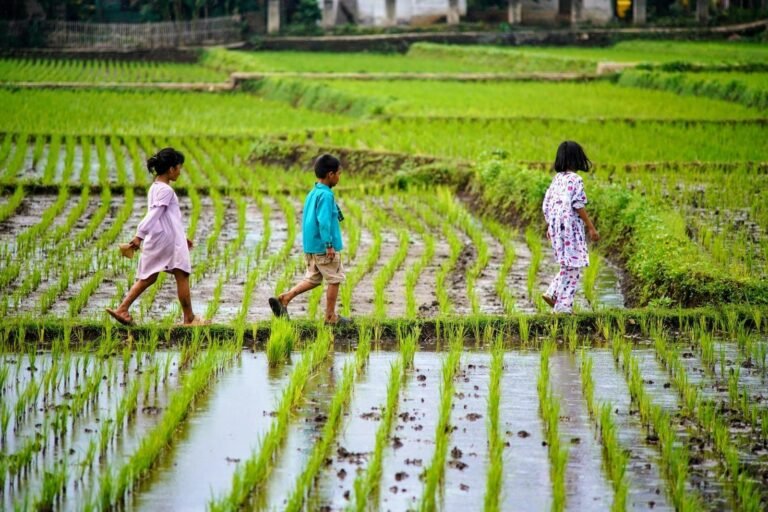
Across Sumatra, people live alongside some of the world’s most endangered wildlife. Farmers grow crops near forests. Communities raise livestock close to protected areas. Roads, plantations and settlements have developed around landscapes that were once continuous forest.
And sometimes, wildlife crosses that boundary.
An elephant enters a field and destroys crops.
An orangutan climbs into a fruit tree and feeds on a valuable crop.
A tiger moves through an area where livestock are kept.
For the person whose crops or animals have been lost, this is not an abstract conservation issue. It can mean a serious financial loss.
For the animal, entering human-dominated areas can be equally dangerous.
This is what we call human-wildlife conflict.
And understanding it is one of the most important parts of understanding conservation in Sumatra.
What Is Human-Wildlife Conflict?
Human-wildlife conflict in Sumatra happens when interactions between people and wild animals result in negative consequences for people, wildlife, or both. These consequences can include damaged crops, lost livestock, damaged property, injuries and, in the most serious cases, the loss of human or animal life.
But there is something important to understand.
Human-wildlife conflict is not simply a fight between humans and animals.
There are people trying to protect their homes and livelihoods. And there are wild animals trying to survive in the habitat that remains available to them.
That distinction matters.
If an elephant enters a farmer’s field, the farmer did not necessarily choose to live alongside elephants. And the elephant did not choose to enter someone’s farm because it wanted to cause harm.
Both are responding to the landscape around them.
Link to the Sumatra Ranger Project’s human-wildlife conflict article: https://www.sumatranrangerproject.com/human-wildlife-conflict
Why Does Human-Wildlife Conflict in Sumatra Happen?
One of the biggest reasons human-wildlife conflict in Sumatra happens is that people and wildlife are increasingly sharing the same space.
Imagine walking through a forest that has been there for generations.
For an elephant, that forest is not just a piece of land. It is part of the landscape it has learned to move through — where it finds food, water and places to rest.
But over time, the landscape around the forest can change.
A road is built.
A farm appears.
A plantation is planted.
A village grows.
People move into the area because they need somewhere to live and a way to make a living.
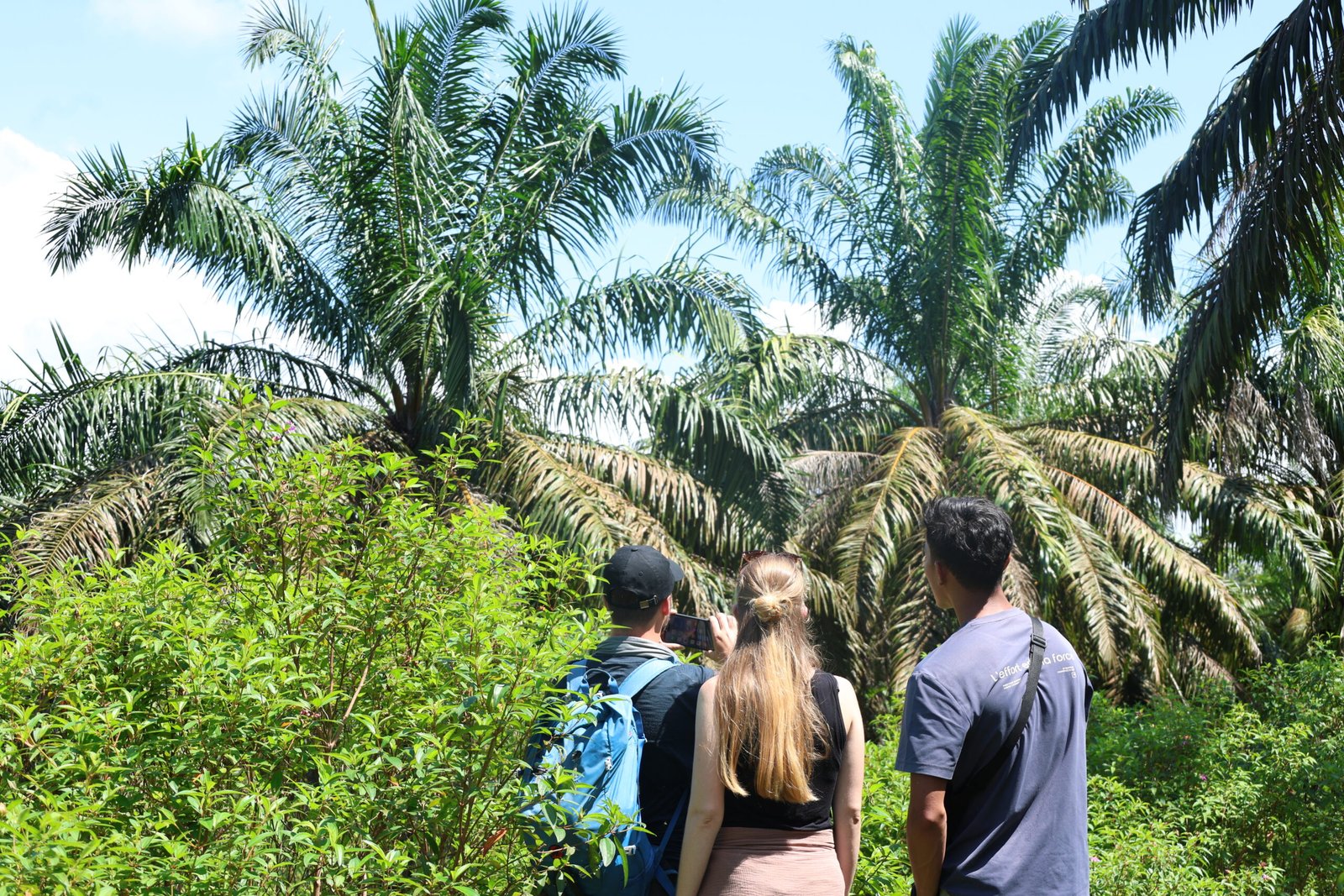
And suddenly, a route that was once surrounded by jungle may now pass through farmland, a palm oil plantation or even across a road.
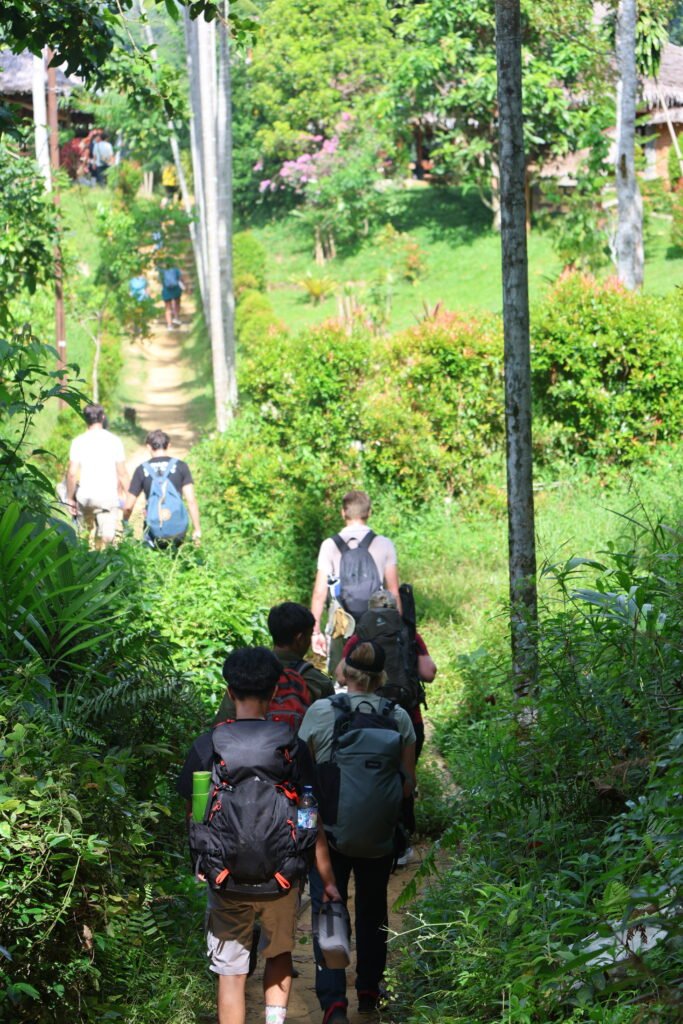
The important thing is that the people living there are often not trying to destroy the forest or hurt wildlife.
They are trying to survive. They need land to grow food. They need somewhere to live. They need roads to connect communities. They need an income to support their families.
At the same time, wildlife has not suddenly learned that this is now a farm, a road or a plantation. An elephant may follow a route that its herd has used for years. An orangutan may move toward a fruit tree because it is looking for food. A tiger may pass through an area because it is part of the landscape it uses.
From the perspective of the animal, it is simply moving through its habitat.
From the perspective of the person who owns the farm, however, a wild animal has just entered their livelihood.
And this is where the conflict begins.
The People Living Beside the Forest Matter Too
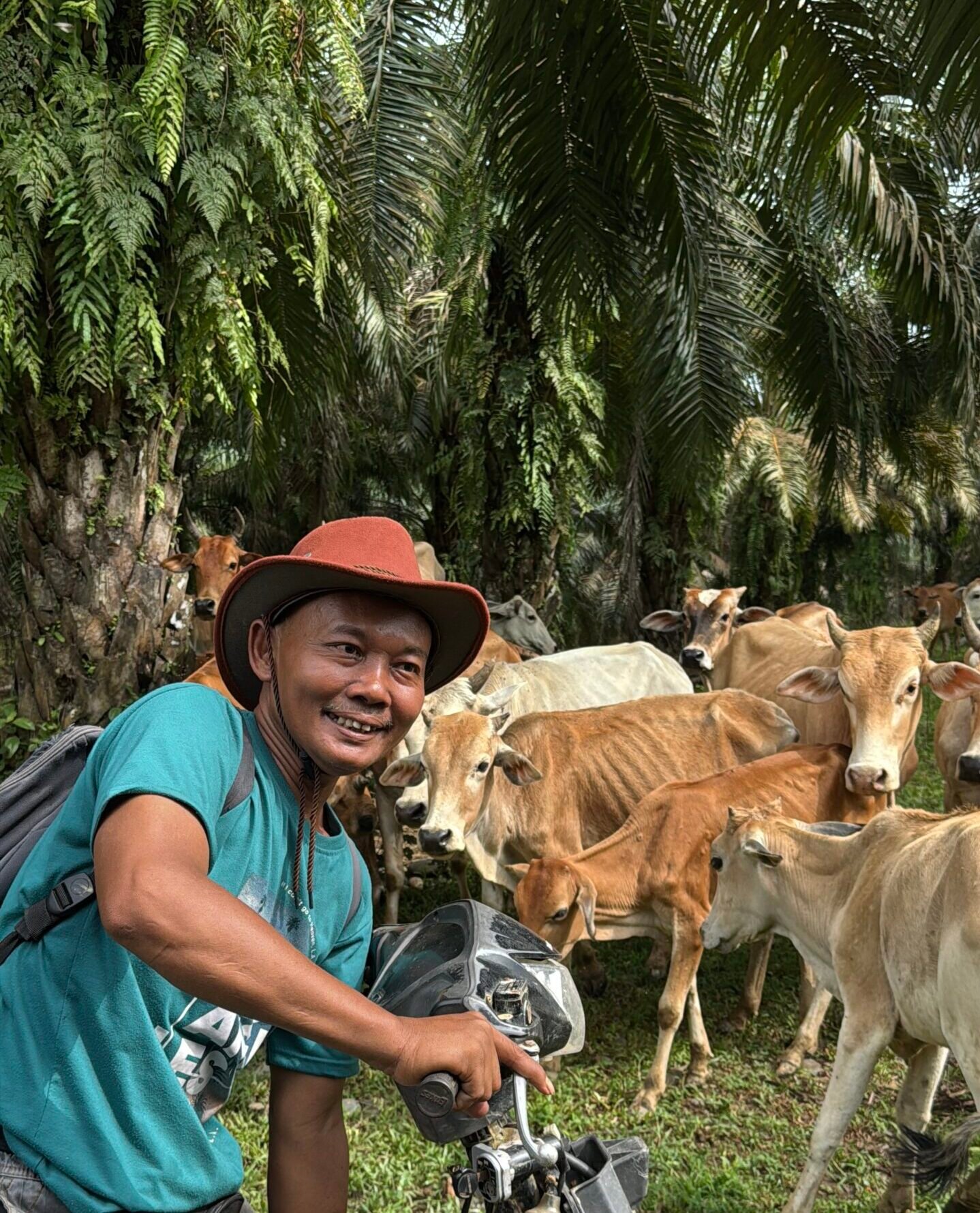
When we talk about wildlife conservation, we often focus on the animals.
But what about the people who live right next to the forest?
For many communities in Sumatra, the forest is not just a place where wildlife lives. It is part of their everyday life. People farm. They raise animals. They build homes. They create roads. They work to support their families. This is one of the hardest parts of understanding human-wildlife conflict in Sumatra: there are usually no simple winners or losers.
And sometimes, their lives overlap with wildlife.
An elephant can destroy a crop. A tiger can kill livestock. An orangutan can enter a fruit plantation.
For a conservationist, this may be a wildlife incident.
For a family, it can mean losing part of their income.
That is why conservation has to include people too.
We cannot expect communities to protect wildlife if they are left alone to deal with the costs of living alongside it. The goal should not be to choose between people and animals.
The goal should be to find ways for both to live.
How Can Human-Wildlife Conflict Be Reduced?
There is no single solution to human-wildlife conflict. What works for elephants may not work for tigers or orangutans. But some principles are important everywhere.
Protect wildlife habitat
The more healthy, connected forest remains, the more space wildlife has to live and move without entering human areas.
Protect people’s livelihoods
Farmers and communities need practical ways to protect their crops, livestock and homes without harming wildlife.
Respond before conflict escalates
When an animal enters a village or farm, a trained response can help prevent a difficult situation from becoming dangerous for both people and wildlife.
Involve local communities
People living beside the forest has to be part of conservation, not simply told what they can and cannot do.
And this is where long-term conservation becomes much more complicated — but also much more meaningful.
Can Tourism Help Reduce Human-Wildlife Conflict?
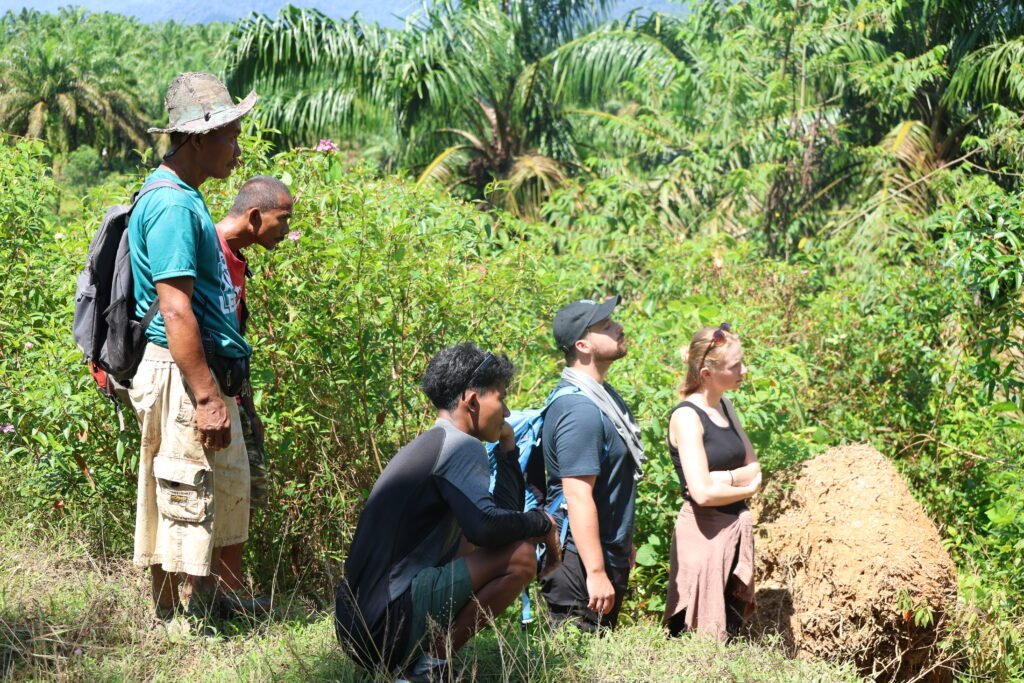
Tourism cannot solve human-wildlife conflict on its own.
But responsible tourism in Sumatra can be part of the solution.
When visitors come to the rainforest, they create income for local guides, porters, drivers, accommodation providers, restaurants and other local businesses. This gives local communities another reason to value the forest while it is still standing.
But it is not only about money.
Tourism can also create understanding.
A visitor who learns why an orangutan should never be chased, why wildlife needs space, or why local communities are important to conservation leaves Sumatra with a different understanding of the rainforest.
That is the kind of tourism we want to create.
What We Want to Contribute at Escape to Sumatra
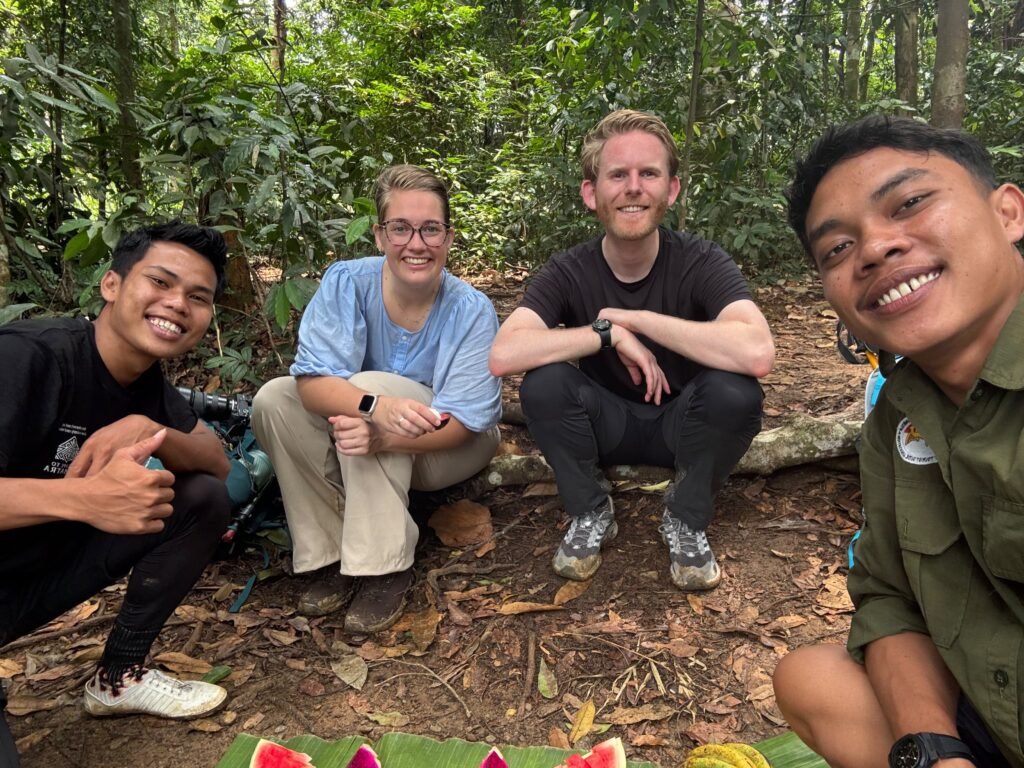
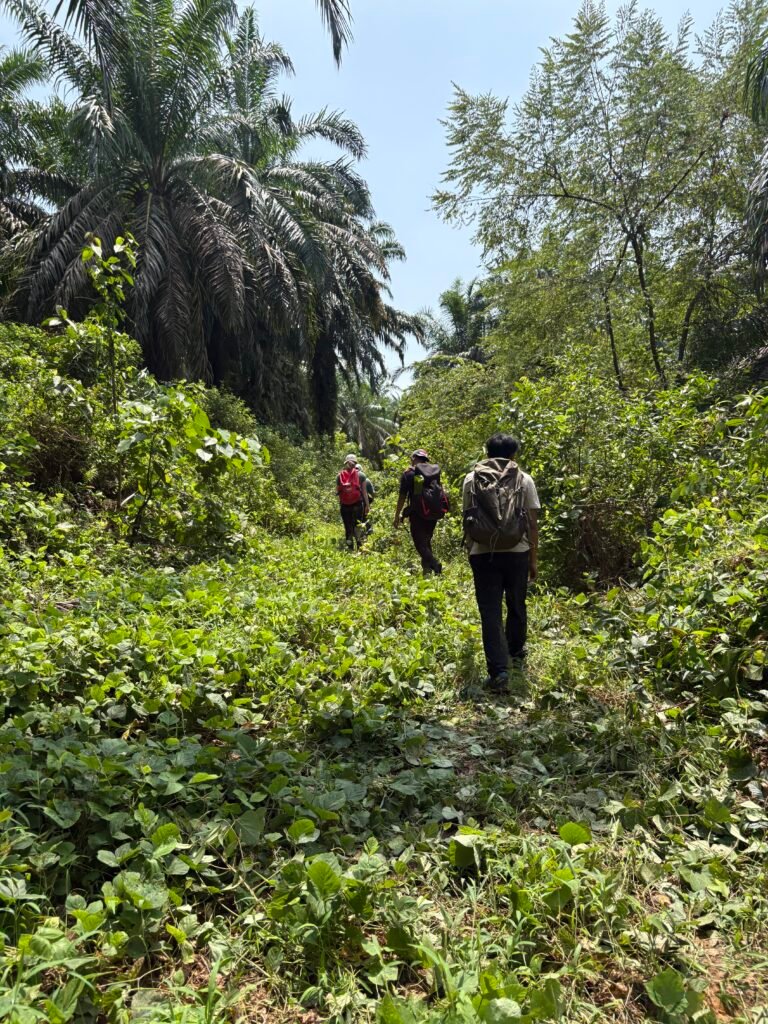
At Escape to Sumatra, we believe that experiencing the rainforest comes with a responsibility to respect it. That means working with local guides and communities.
It means teaching our guests how to behave around wildlife. It means never chasing animals for a photograph. It means never feeding wildlife to attract it closer. It means respecting distance and following the rules of the national park.
We also believe that a jungle trek should be about more than what you manage to see. You might see an orangutan. You might see an elephant. You might see a monkey, hornbill or snake.
Or you might spend hours walking through the forest without seeing a large animal at all.
And that is okay. Wildlife is not here for us. We are visitors in their home.
The Future of Sumatra Depends on Coexistence
Human-wildlife conflict is not going to disappear overnight. There are no simple answers. But there are ways to make coexistence possible. There is no single solution to human-wildlife conflict in Sumatra.
Protect the forest. Support the people living beside it. Give communities practical solutions. Respect wildlife. And create tourism that understands that the rainforest is more than a destination. It is a living ecosystem shared by millions of people and countless species.
People and wildlife do not have to be enemies.
The future of Sumatra depends on finding a way for both to belong here.
Explore the rainforest with local guides and discover the wildlife, communities and landscapes that make North Sumatra unique.