
Ethical Jungle Trekking in Bukit Lawang
Wild orangutans, local guides and no feeding, ever.
Why ethics matter more in Bukit Lawang
Bukit Lawang is the most famous place in the world to see Sumatran orangutans, and that fame is exactly why ethical jungle trekking in Bukit Lawang matters. Thousands of trekkers walk these trails every year, and how your guide behaves decides whether the orangutans stay wild and healthy.
Escape to Sumatra is run from Bukit Lawang with HPI-licensed guides who grew up beside the Bohorok River. We never feed orangutans, keep groups to six guests and pay our team official ITGA-HPI rates. Looking for our rules across all of Sumatra? Read our full guide to ethical jungle trekking in Sumatra.
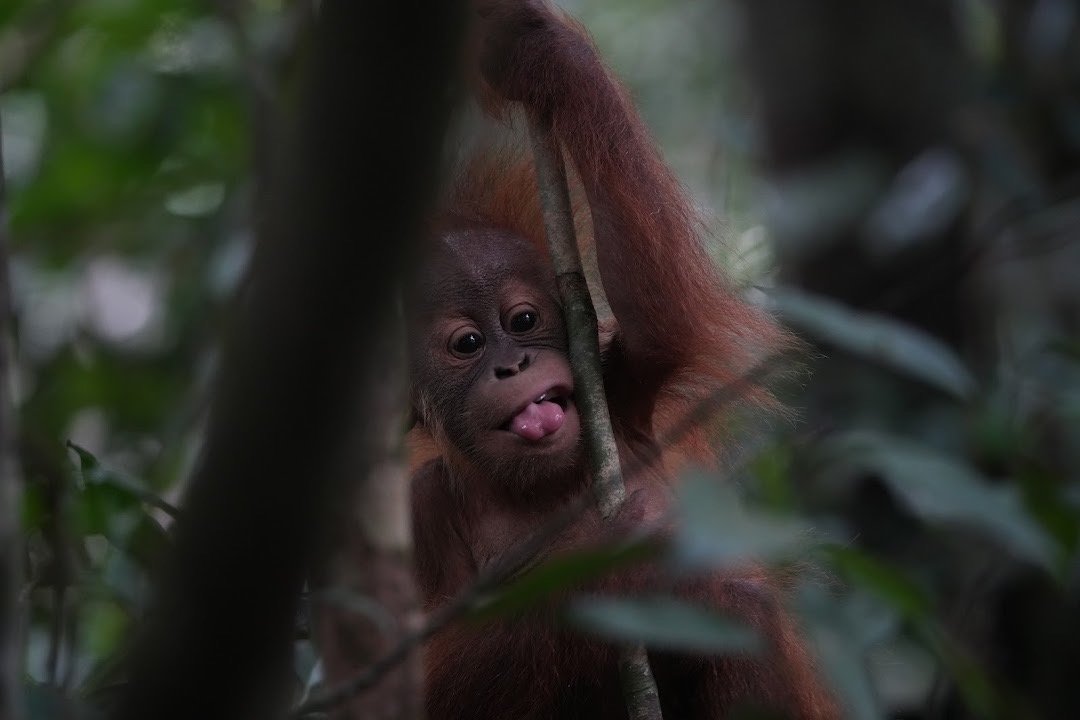
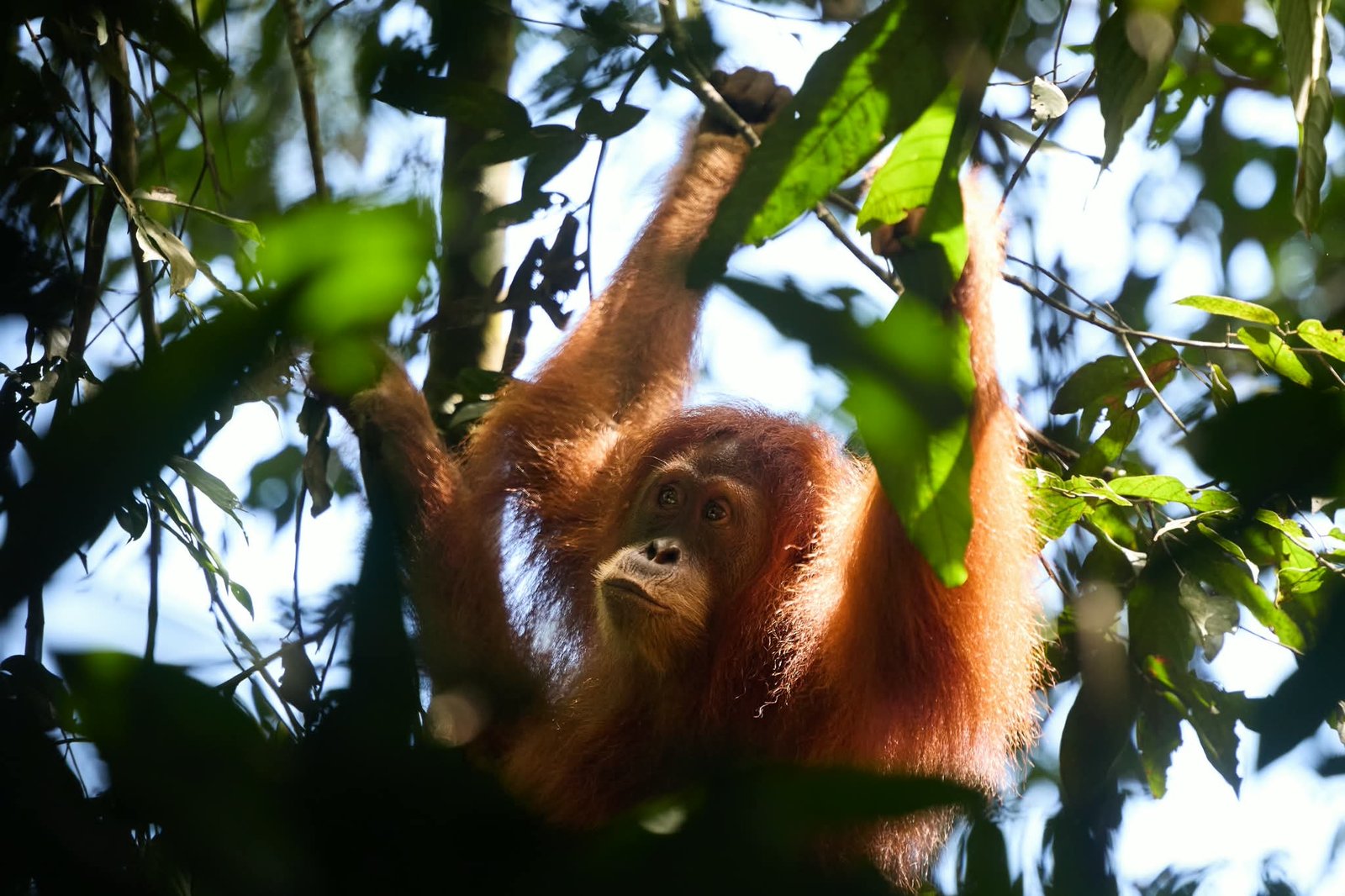
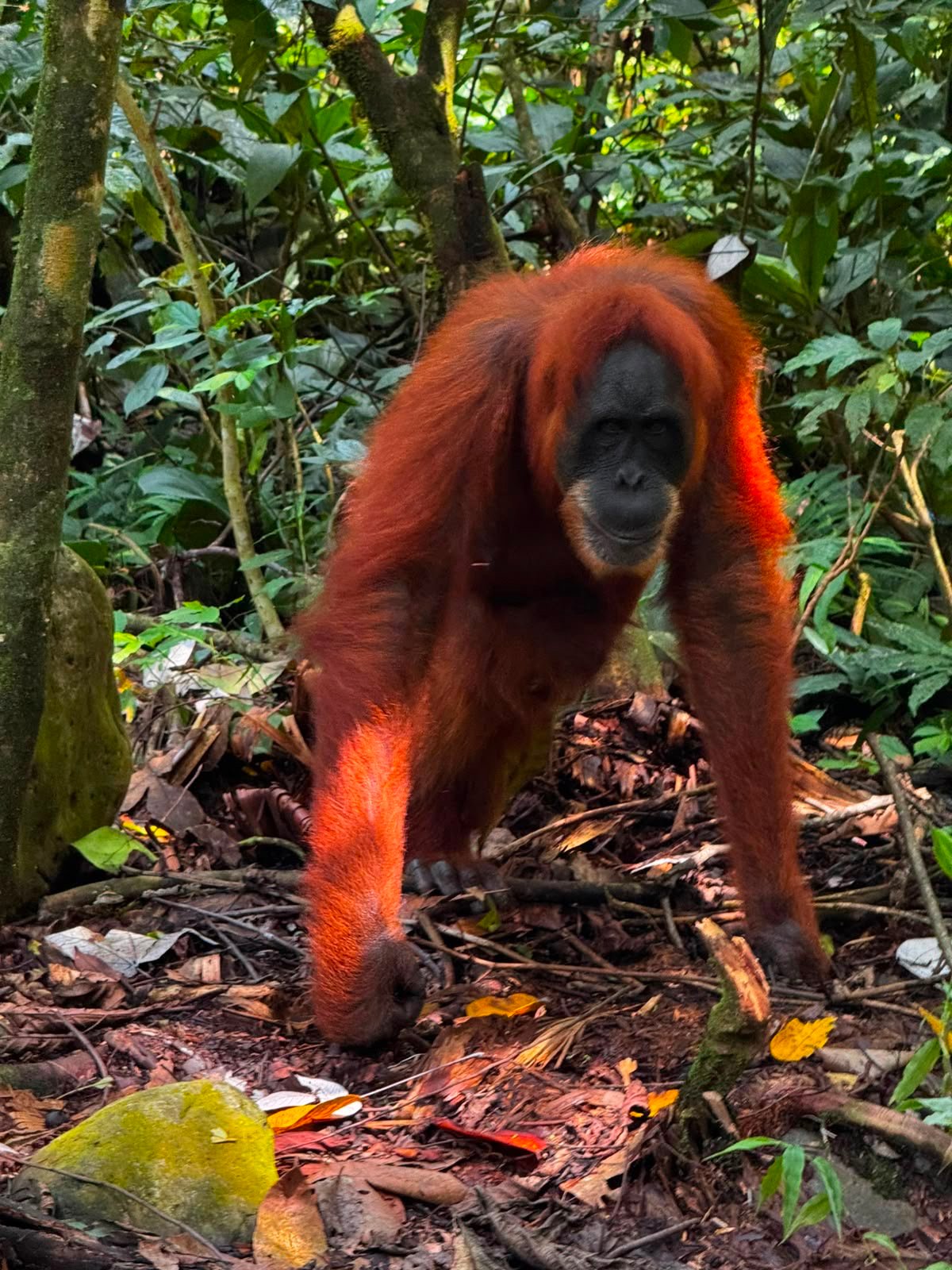
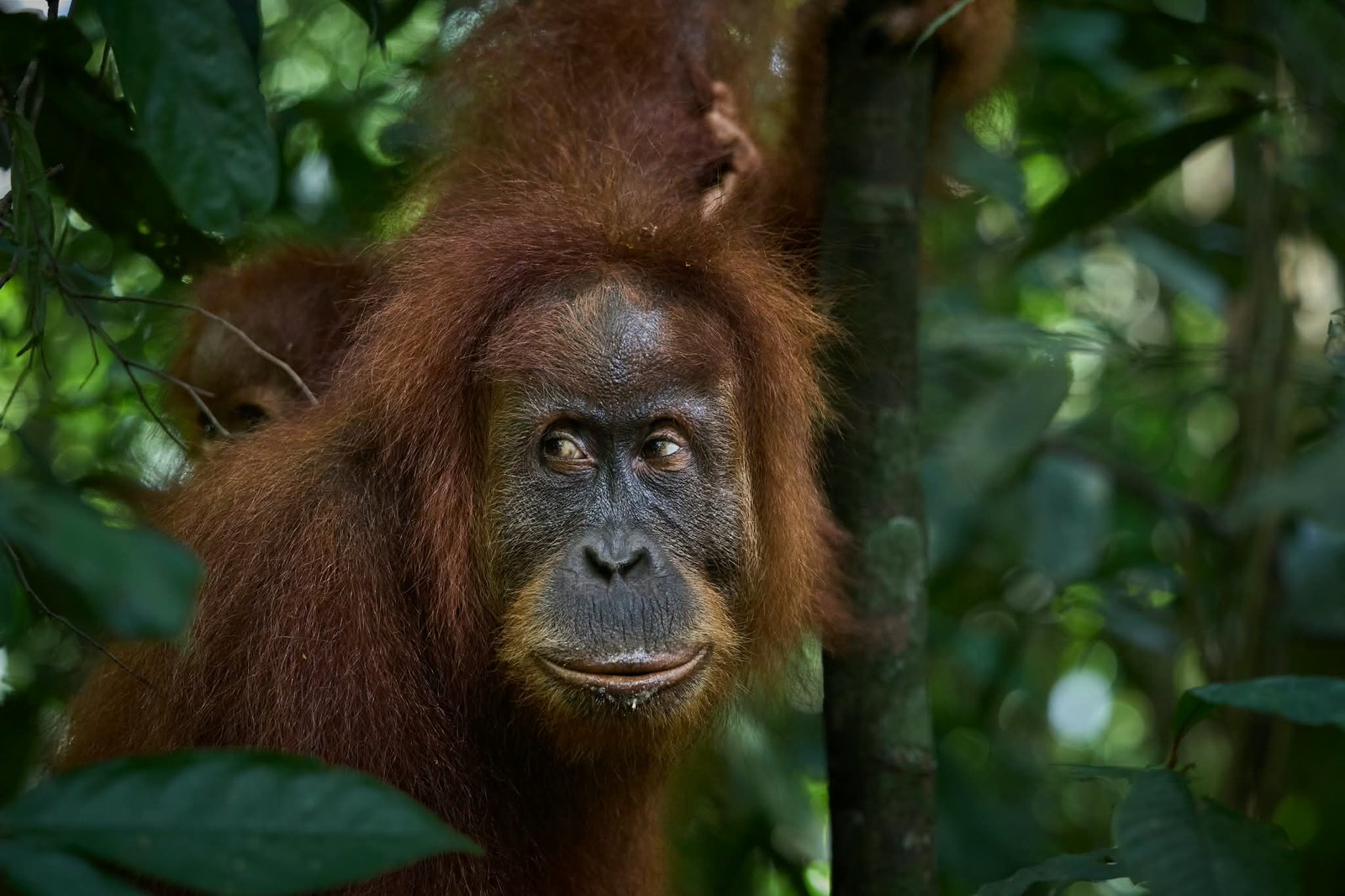
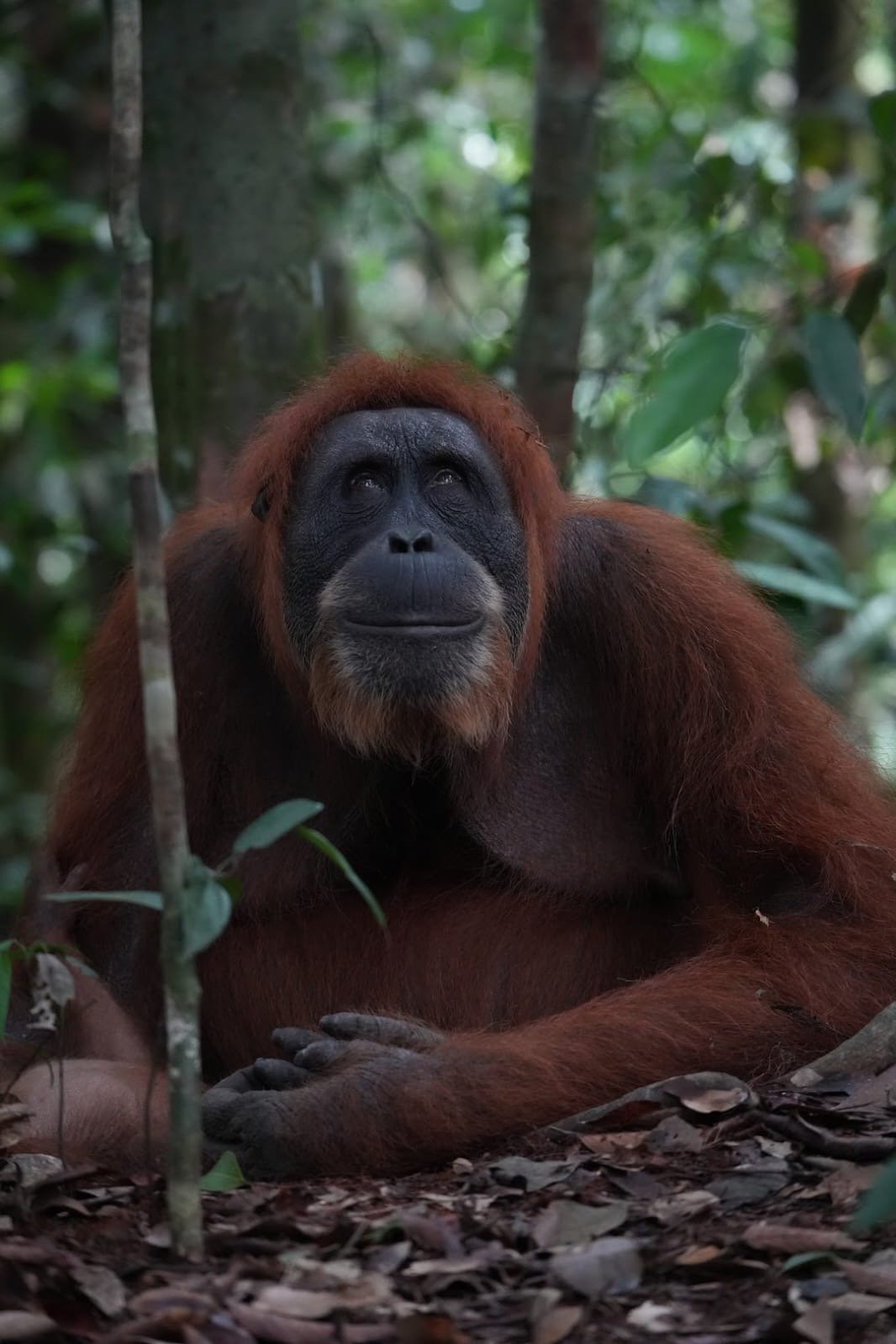
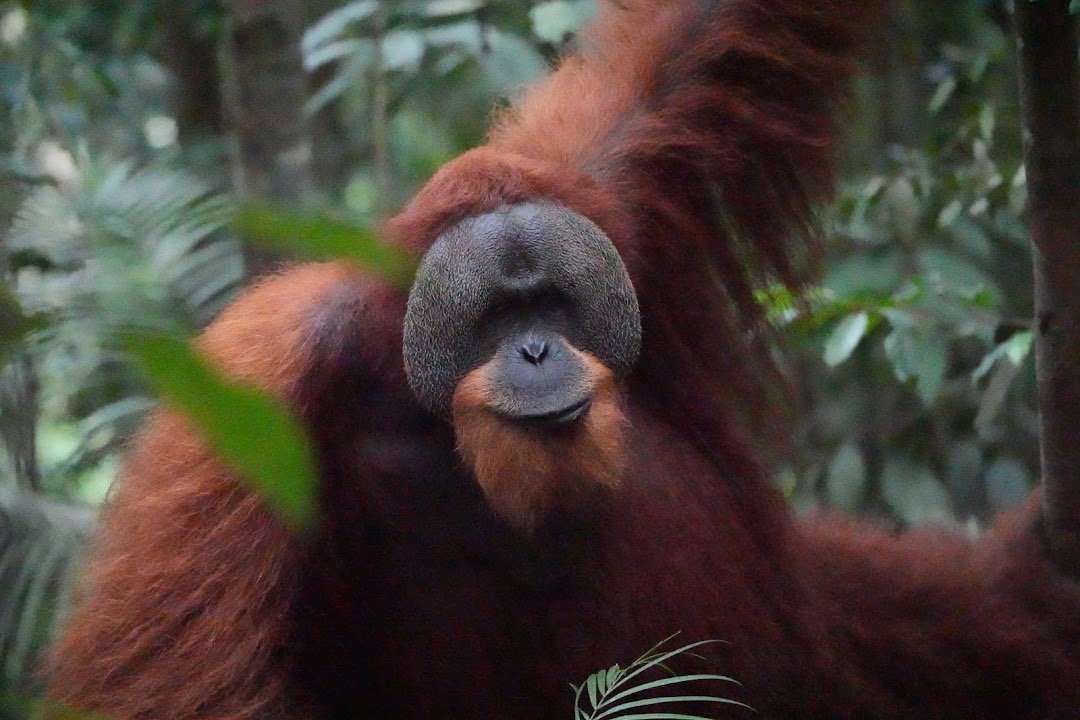
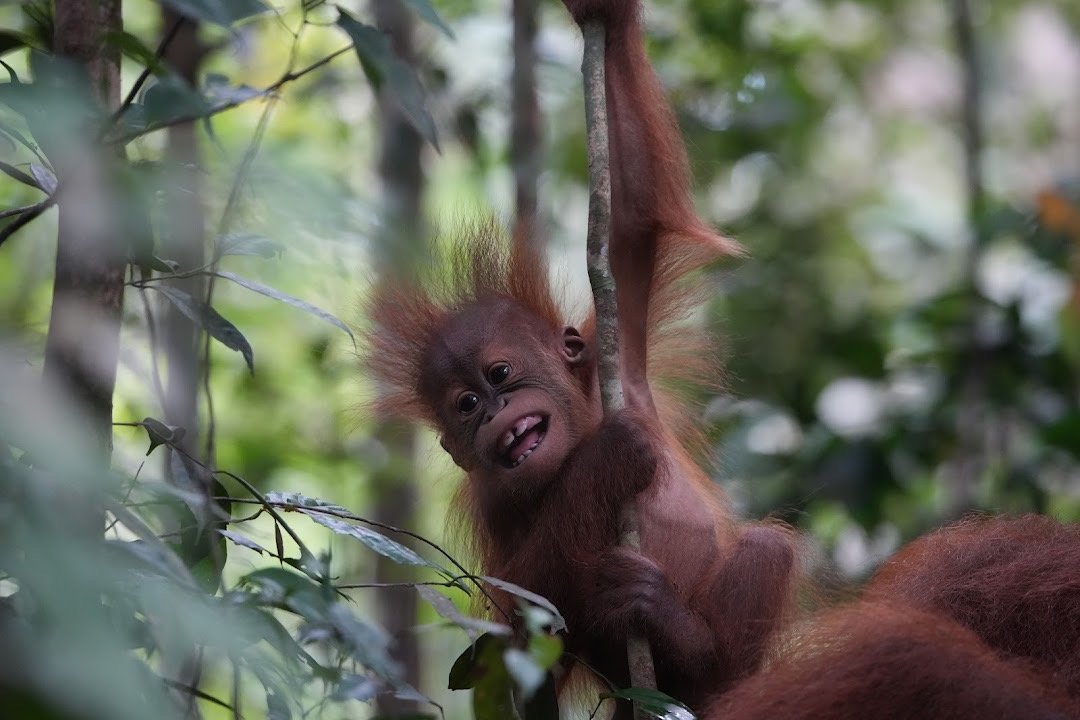
Bukit Lawang began in the 1970s as an orangutan rehabilitation centre, where rescued orangutans learned to return to the forest. Many of the orangutans you meet near the village today are those rehabilitated apes and their offspring: semi-wild orangutans that are used to seeing people.
That history brings a problem. Some guides still carry fruit or rice to lure orangutans close and “guarantee” a photo. Fed orangutans can become pushy or aggressive towards trekkers, and they catch human illnesses easily because they have no immunity to them.
On every Escape to Sumatra trek in Bukit Lawang:
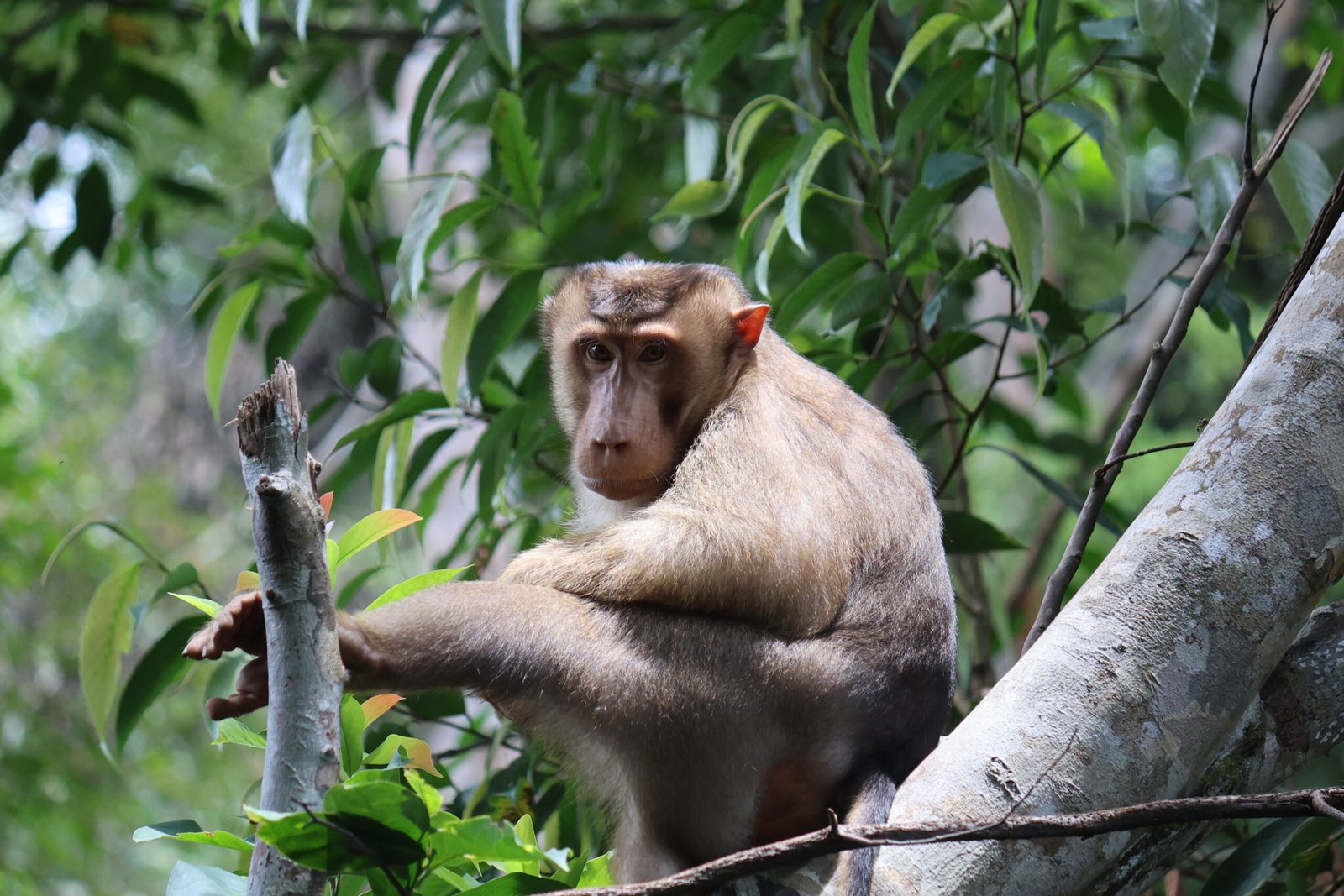
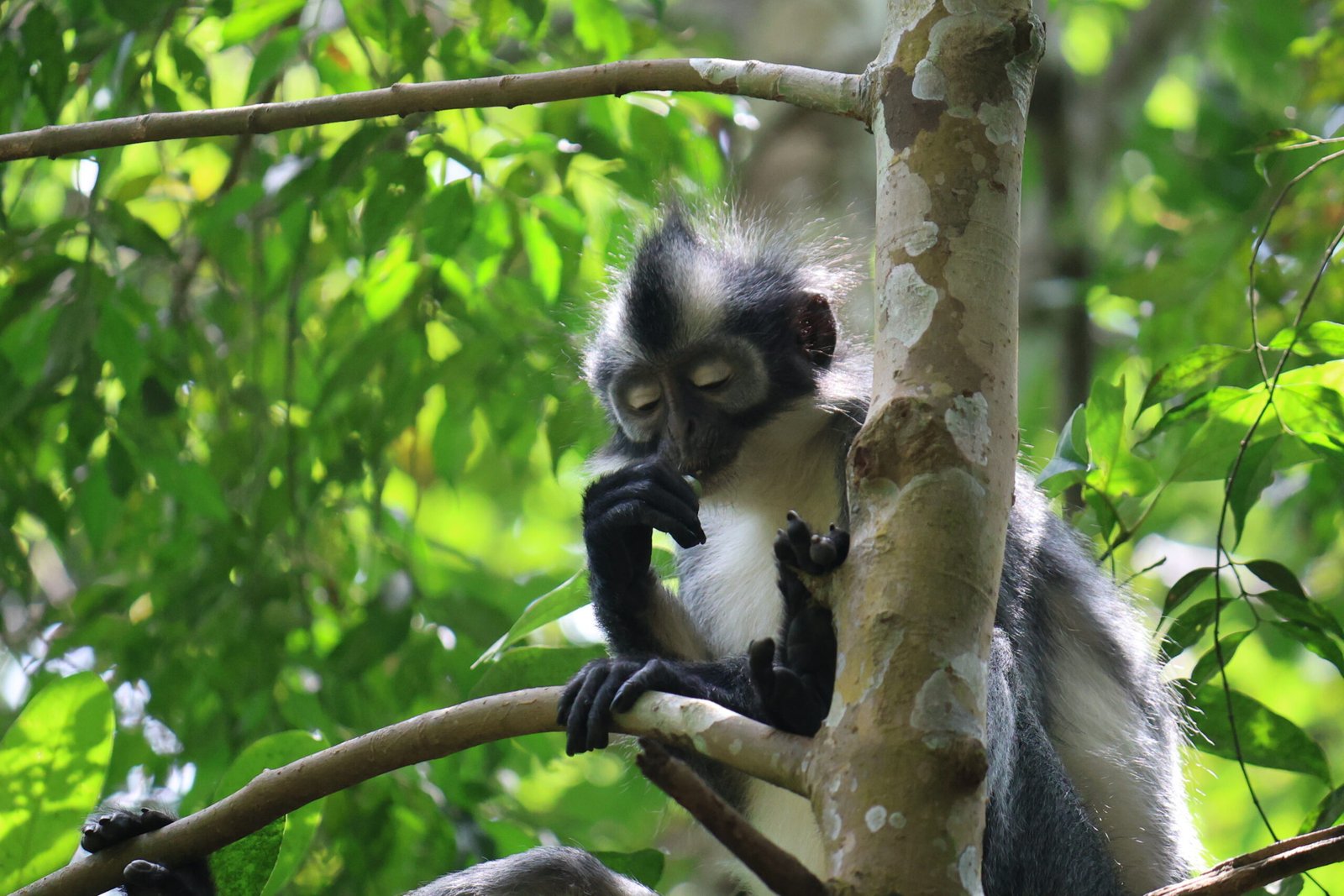
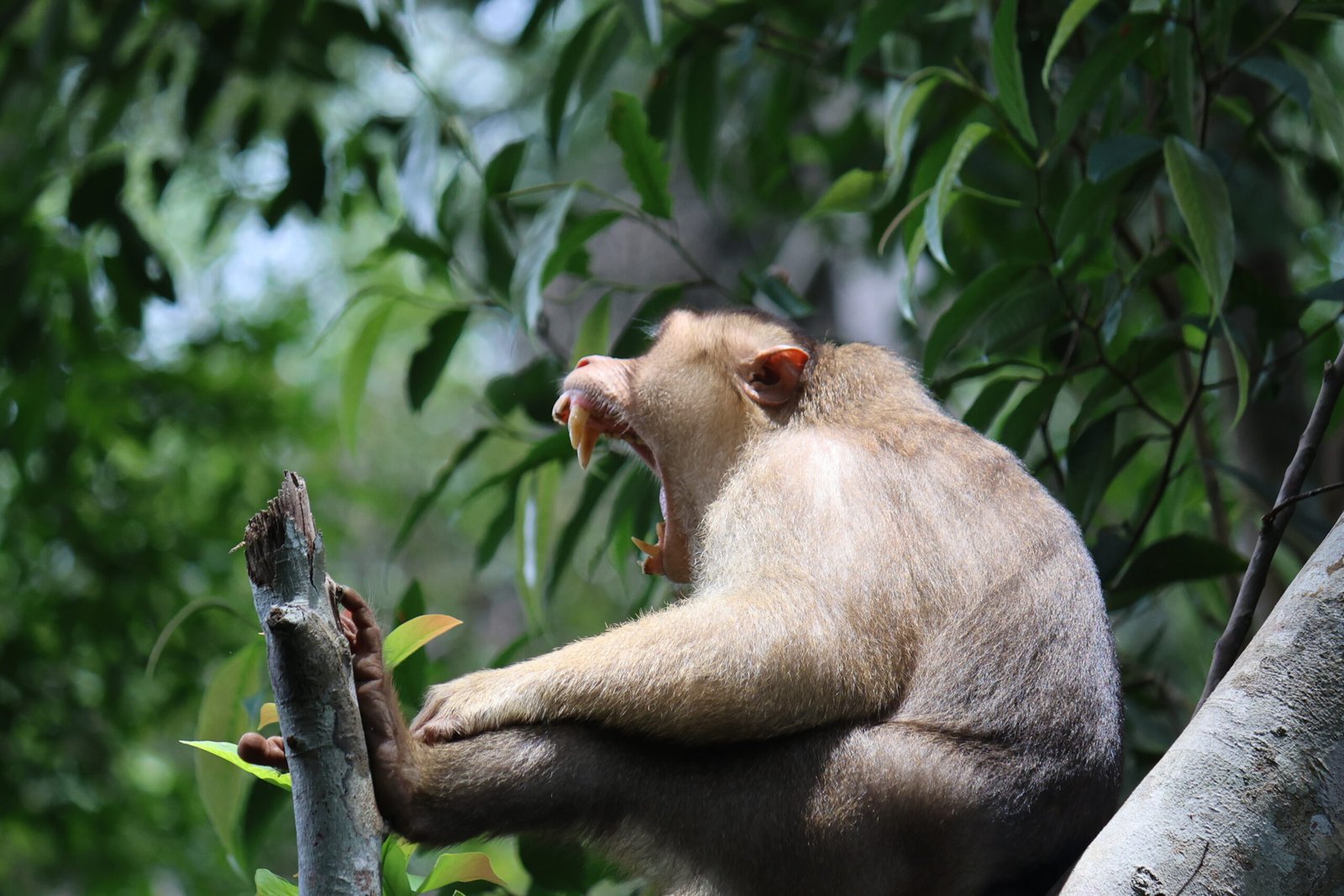
- ✓No feeding, ever. Not orangutans, not macaques, not Thomas leaf monkeys.
- ✓At least 10 metres away. If an orangutan comes closer, we step back.
- ✓Max 6 guests per group, so we don’t crowd the animals or the trail.
- ✓HPI-licensed local guides from Bukit Lawang, paid official rates.
- ✓No trace left. Every piece of rubbish leaves the jungle with us.
- ✓Unwell? We reschedule. A cold you barely notice can be deadly for an orangutan.
See all 10 of our ethical trekking rules.
Semi-wild or wild orangutans: what you'll see in Bukit Lawang
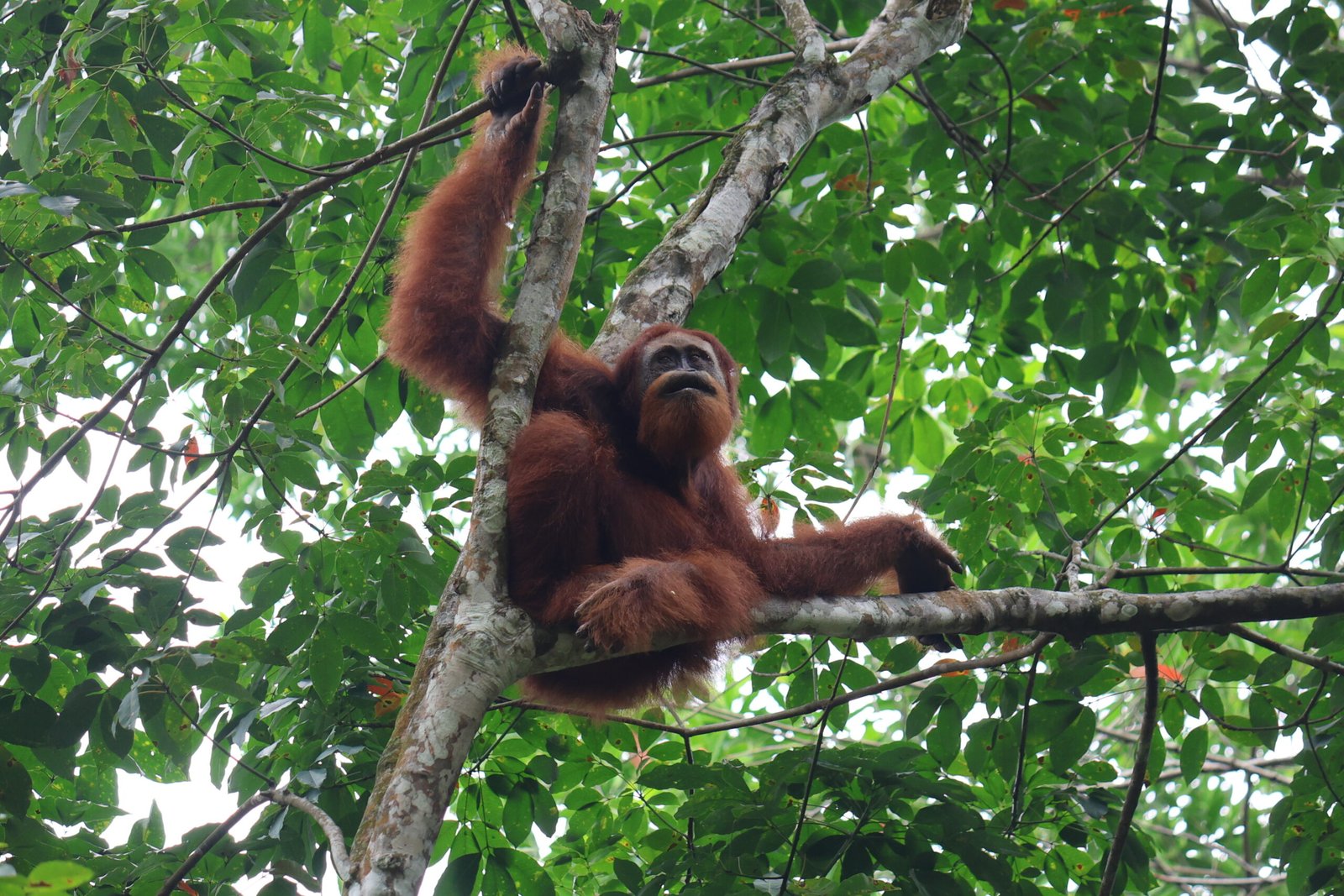
Near the village, the chance of seeing Sumatran orangutans is very high, mostly semi-wild individuals. The deeper you trek into Gunung Leuser National Park, the more likely you are to meet fully wild orangutans, which keep their distance from people.
Curious about the difference? Our 5-day Batu Katak to Bukit Lawang expedition is the first trek to link the fully wild orangutans of Batu Katak with the semi-wild orangutans of Bukit Lawang, so you see both ways of life on one journey.
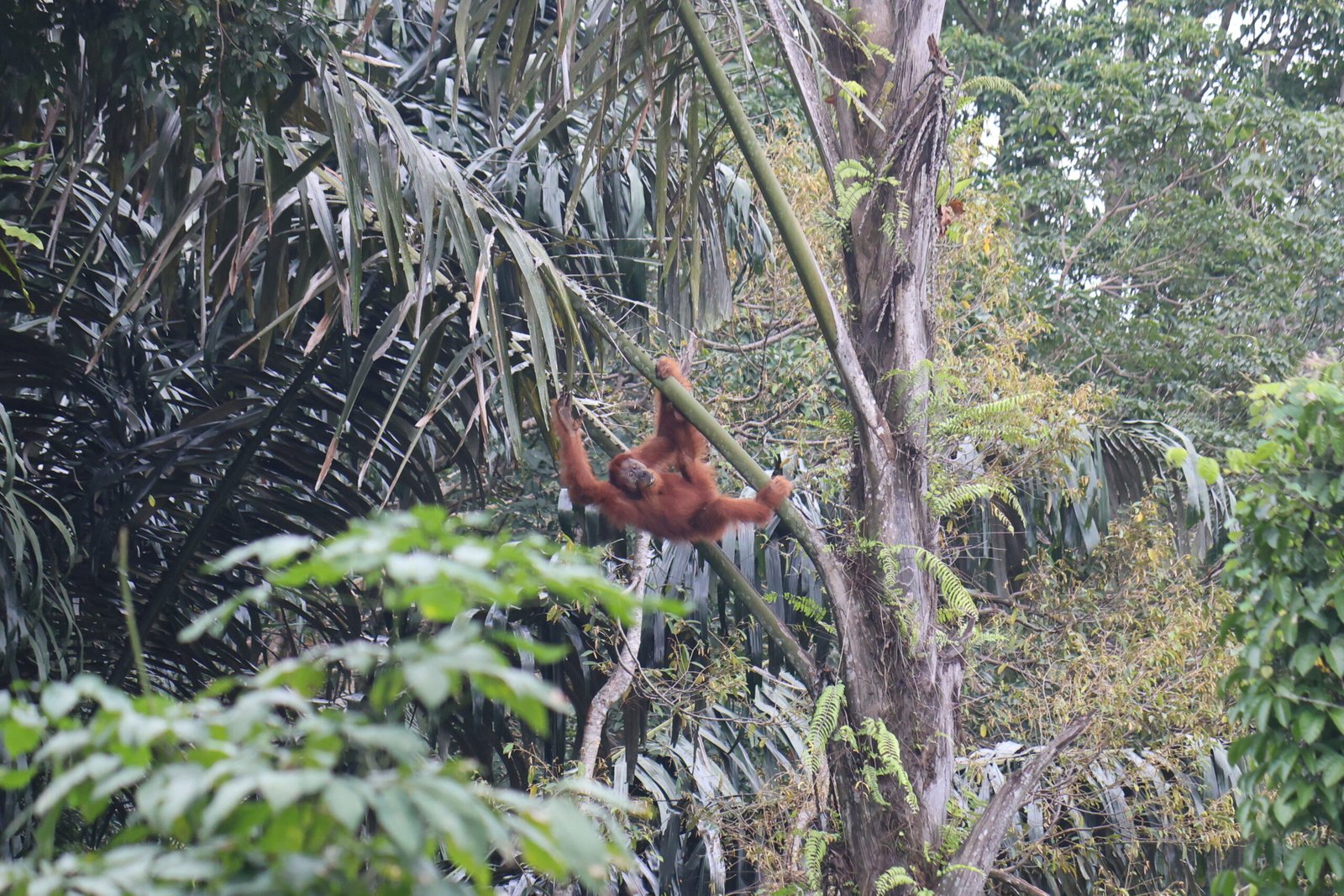
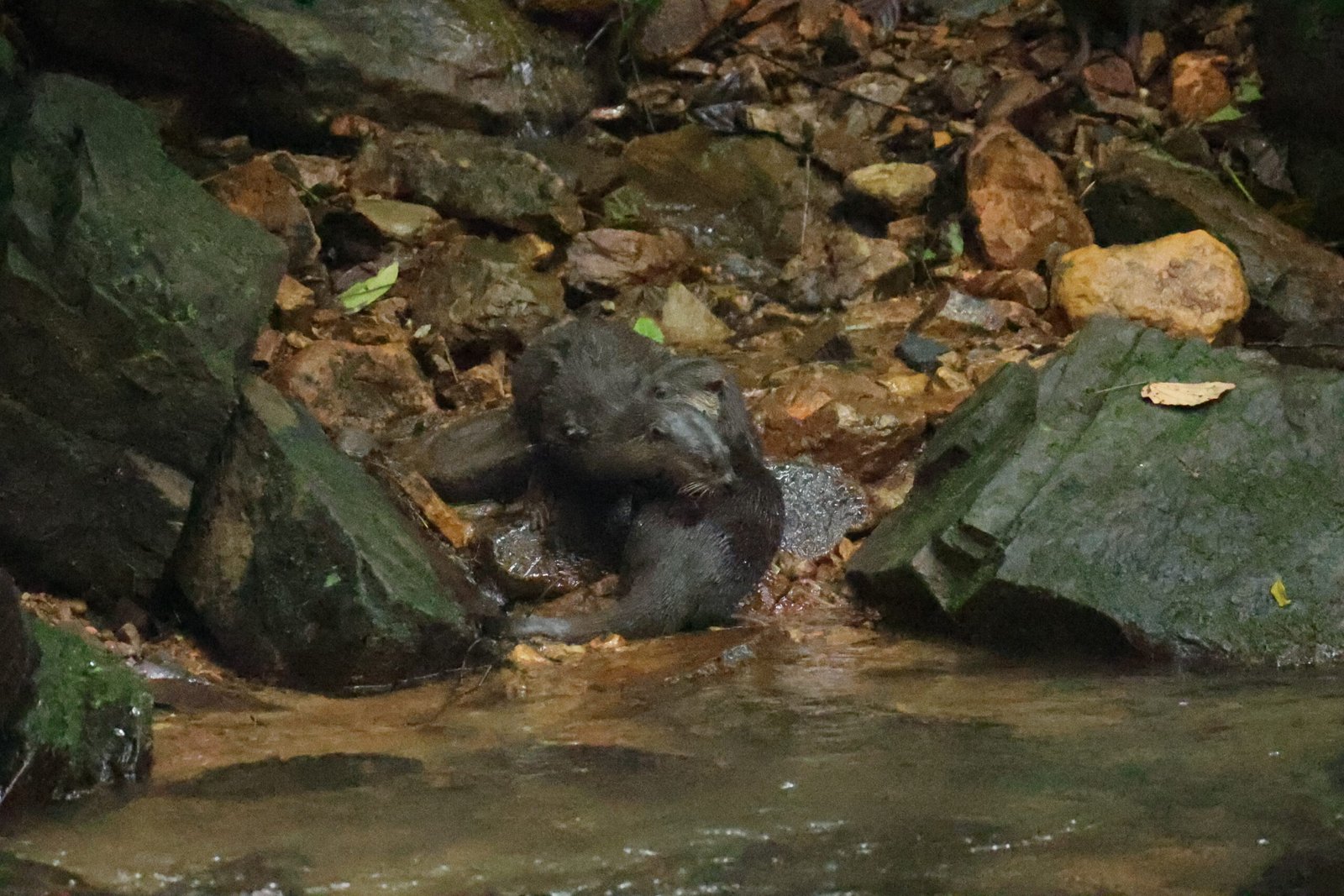
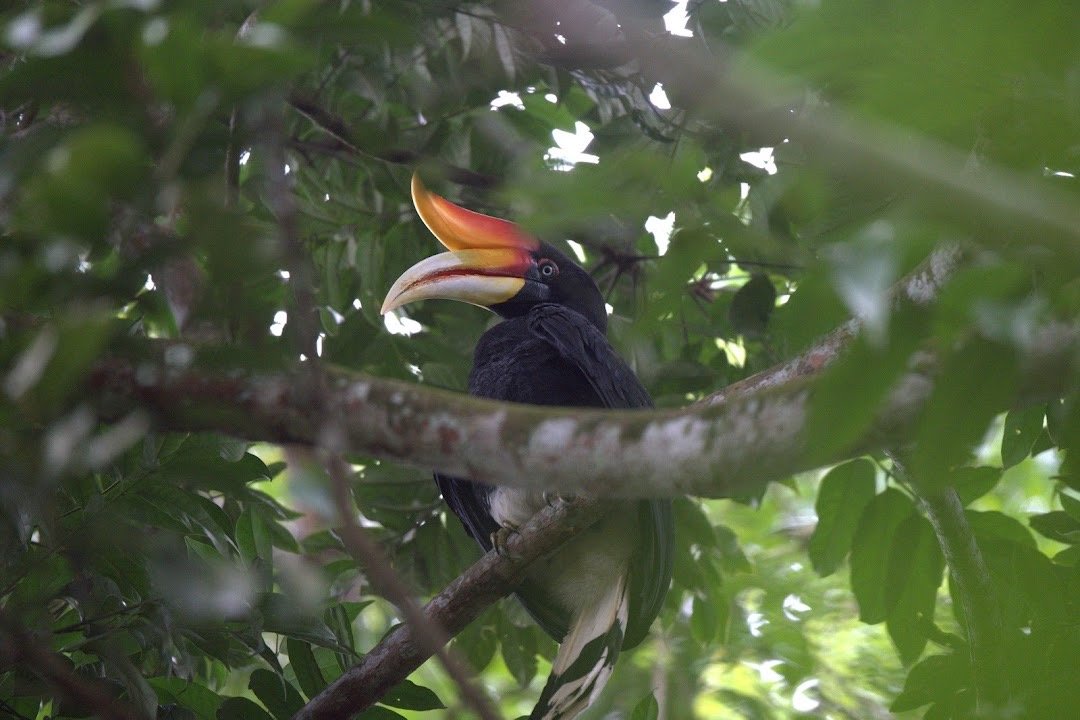
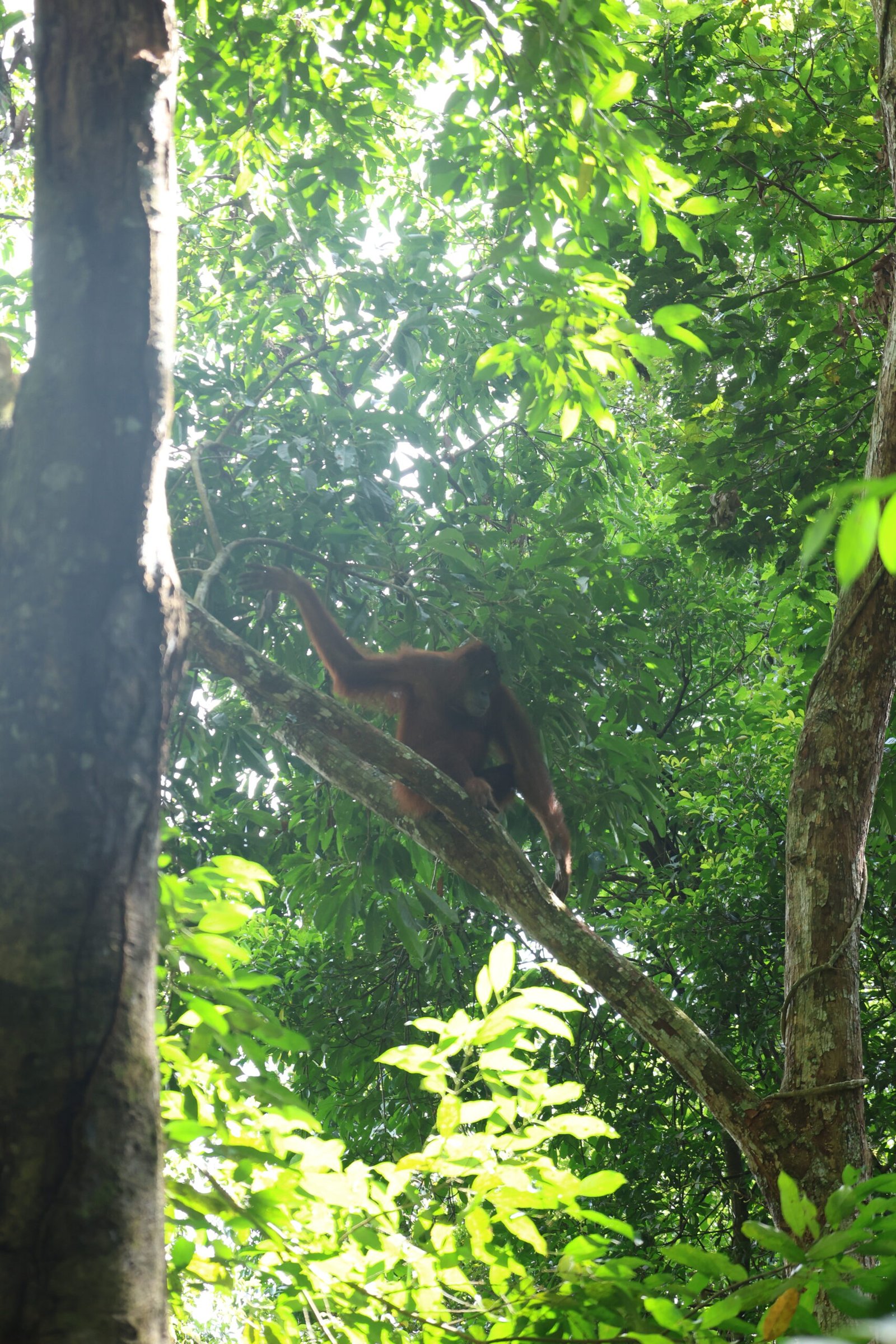
Our ethical treks in Bukit Lawang
Every trek includes an HPI-licensed guide, assistant, jungle chef, all meals, camping gear and park permits. Prices per person for two or more travellers.
- ✓2-day ethical jungle trek: one night at a river camp, tubing back to the village. €120
- ✓3-day trek: deeper forest and a better chance of wild orangutans. €170
- ✓4-day trek: primary rainforest and quiet camps. €250
- ✓5–12 day expedition: deep Leuser, for fit trekkers. From €320
- ✓Combo trek: 4 days, wild Batu Katak plus Bukit Lawang. €250
Travelling alone? Join a small group trip with no single supplement.
Your trek stays in Bukit Lawang. Our guides, cooks and porters live here, and 10% of every trek goes to our jungle fund, which buys land next to the national park to protect it from palm oil or replant it as rainforest.
Frequently Asked Questions
Is jungle trekking in Bukit Lawang ethical?
It can be, but not with every operator. Some guides still feed semi-wild orangutans to guarantee sightings. Choose a company that never feeds wildlife, keeps groups to six or fewer and pays guides official HPI rates.
How do you get to Bukit Lawang?
Many travellers visit the North Sumatran rainforest by travelling from Medan to Bukit Lawang by road. The journey takes 5 hours, depending on traffic and road conditions. Other parts of the national park have different access routes, so plan your transport around the area you want to explore.
Will I see orangutans in Bukit Lawang?
The chance is very high, especially of semi-wild orangutans near the village. No ethical operator can guarantee it, because we never lure animals with food. Longer treks also raise your chance of seeing fully wild orangutans.
What is the difference between semi-wild and wild orangutans?
Semi-wild orangutans are former rehabilitation orangutans and their offspring, and they are used to people. Wild orangutans were born in the forest and avoid humans. Both live freely in the national park.
When is the best time to trek in Bukit Lawang?
Gunung Leuser National Park can be visited throughout the year, but rainforest weather is changeable and rain can affect trail conditions. Ask your local guide about current conditions before your trip, and remember that wildlife sightings cannot be guaranteed.